

Disclosure: This article contains affiliate links. If you make a purchase through one of these links, National Litographic may earn a commission at no extra cost to you.
Rio de Janeiro is one of the most visually stunning cities on the planet, and it genuinely earns its reputation as a bucket-list destination. It also has one of the highest street-crime rates in South America, and backpackers who arrive treating it like Barcelona or Bangkok tend to find out the hard way. This guide gives you the real picture, specific neighborhoods, real numbers, and honest risk levels, so you can have an incredible trip without becoming a statistic.
So, is Rio de Janeiro safe for backpackers in 2026? The honest answer is: yes, if you understand exactly what you’re walking into. No, if you show up clueless and assume good vibes will protect you. The city has made genuine security improvements. The U.S. State Department’s Brazil travel advisory sits at Level 2, “Exercise Increased Caution.” That’s the same rating as France and Italy. But the risks here are real and specific, and a little knowledge goes a very long way.
Is Rio de Janeiro Safe for Backpackers? The Real Numbers
The headline crime stats in Rio look terrifying until you read them with a neighborhood filter. Violent crime in the city dropped around 4% in recent years, with homicides down 8% and violent lethality down 12% in early 2026 compared to the same period before. Tourist-heavy South Zone neighborhoods like Ipanema and Leblon recorded zero homicides in Q1 2026. Zero. Those numbers aren’t marketing spin, they come from the Instituto de Segurança Pública (ISP-RJ), the state’s own public security institute.
The catch? The violence that does exist is heavily concentrated in the Baixada Fluminense and the North Zone, areas where most backpackers have zero reason to go. The headline city-wide stats make Rio sound like a warzone. The South Zone tourist corridor stats make it sound like Switzerland. The truth sits somewhere between those two stories, and where you sit on that spectrum depends almost entirely on where you stay and what time of night you’re wandering around.
Where to Stay and Where Not to Wander
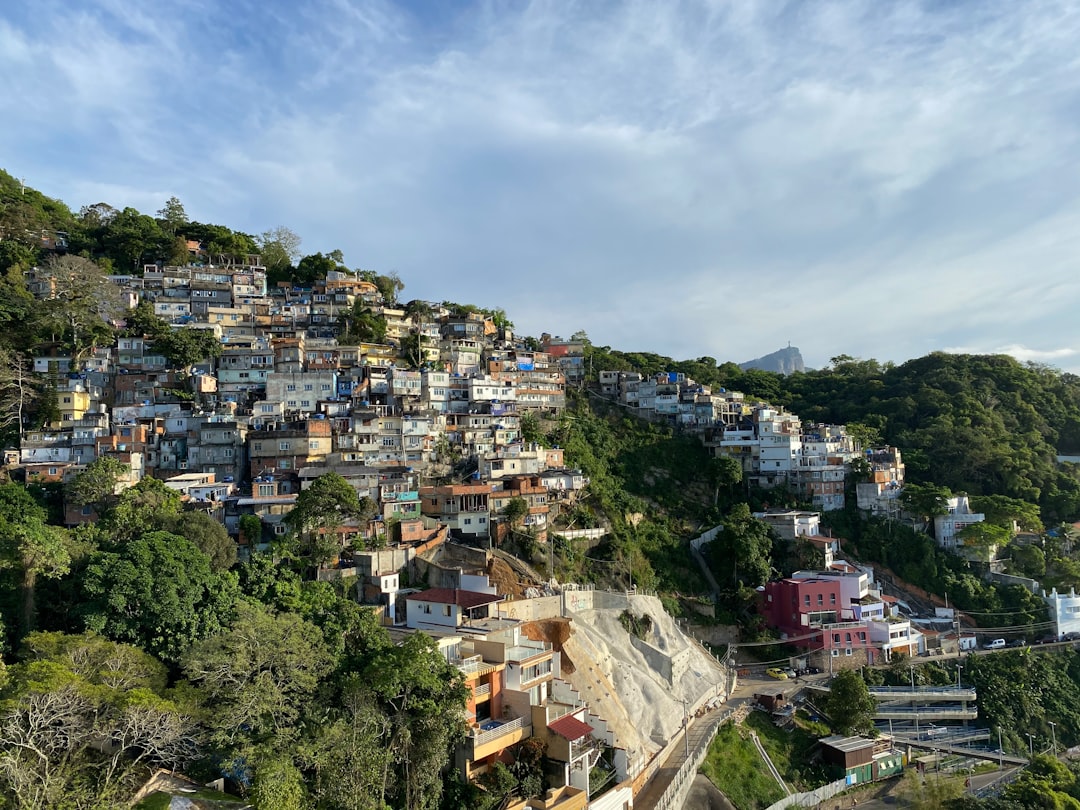
Base yourself in the Zona Sul. Full stop. Ipanema, Leblon, Copacabana, Botafogo, and Santa Teresa are your zones. They’re well-policed, full of tourists and locals mixing, and genuinely enjoyable to walk around in the daytime. Copacabana gets a bad rap for petty theft on the beachfront at night, which is fair, but the neighborhood itself is fine. Ipanema and Leblon are a tier cleaner and calmer. Botafogo is up-and-coming, has some of the best bars in the city (Bar Urca on Rua Cândido Gaffrée is a good shout, cold chopp for R$9 / about $1.70), and attracts a younger crowd.
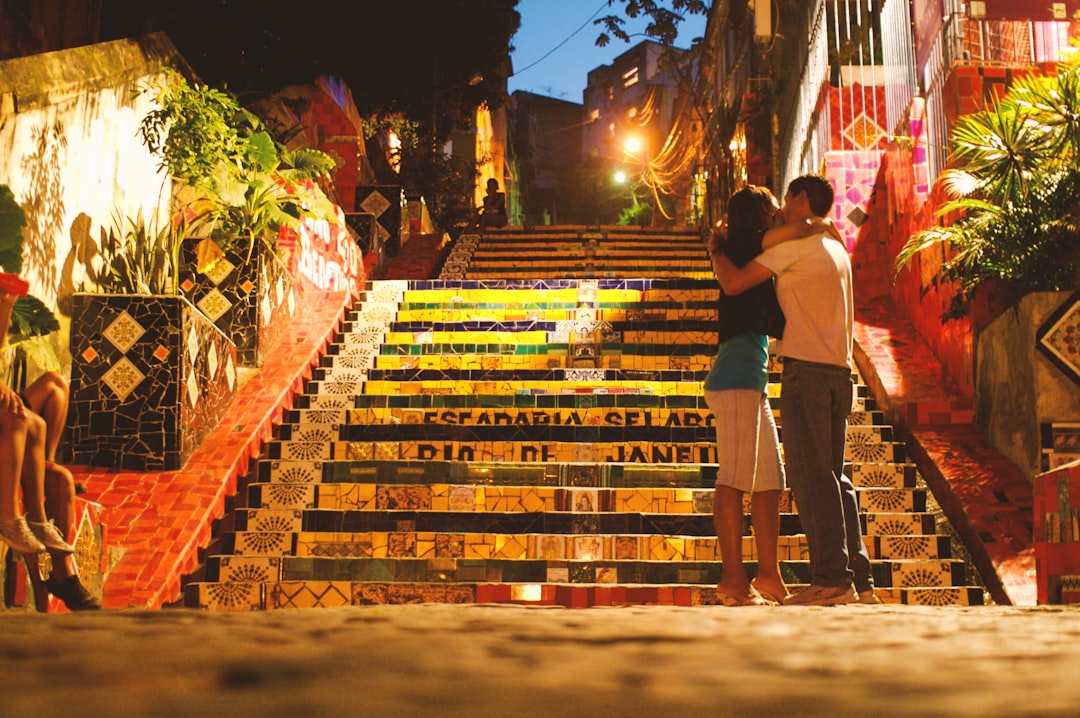
Santa Teresa is charming, hilly, and genuinely worth staying in if you book early enough to get a bed at somewhere like Mama Ruisa or one of the local guesthouses. Just know that the edges of Santa Teresa blur into less comfortable territory after midnight. Stick to the main drag around Largo dos Guimarães.
Skip Centro after dark. The financial district empties out quickly once offices close and the streets get sketchy fast. Cidade Nova, Gamboa, and the port areas around the docks are not backpacker territory at night. The Canadian government specifically flags Complexo do Alemão, Cidade de Deus, and Rocinha as areas with very high violent crime rates. Don’t go there independently. The US State Department is even blunter: do not visit favelas, even on guided tours. Not every travel blog agrees with that advice, but if you do go, choose only a well-established operator with local community ties, not some bloke outside your hostel with a laminated card.
The Scams and Threats That Actually Hit Backpackers
Forget generic mugging anxiety. Here are the four specific things that actually get travelers in Rio in 2026.
First, phone snatching. It’s the number one crime affecting tourists. Someone on a motorbike rolls past and your phone is gone before you’ve processed what happened. Don’t walk around with your phone out. Screenshot your route before you leave the hostel, put the phone away, walk. Sounds paranoid until it isn’t.
Second, PIX express theft. Criminals in Rio increasingly force victims to transfer money via Brazil’s PIX instant payment app rather than hitting ATMs. It’s fast, irreversible, and increasingly common. Keep your daily spending limit on PIX low (the Brazilian government has capped overnight transfers between 8pm and 6am, but thieves have adapted by operating during daylight hours). Use contactless payment for small stuff. Take out only the cash you actually need.
Third, the beach arrastão. A coordinated group rushes a stretch of beach, grabs everything not nailed down, and disappears before anyone reacts. It happens mostly at less-patrolled beach sections, usually after dark or in the early evening. Don’t take anything to the beach you can’t afford to lose. Leave the passport, the camera, the extra cash at your hostel. Bring R$50 ($10) max, your beach towel, and your sunscreen.
Fourth, drink spiking. The US State Department specifically flags that assaults involving sedatives placed in drinks are common in Rio. Drink from sealed bottles. Accept drinks only from people you’ve watched the bartender pour. Watch your glass. This one is genuinely serious and worth keeping in the back of your head all night, not just as an afterthought.
Getting Around Without Getting Robbed
Uber and 99 are your best friends in Rio. Use them after dark. Full stop. They’re cheap (cross-neighborhood rides run about R$15 to R$35, roughly $3 to $7) and keep you off quiet streets at night. The metro is genuinely safe during operating hours. It runs until midnight and a single ride costs R$4.70 (about $0.95). Use it during the day without stress.
Never hail a taxi off the street at night. Order through apps only. Always verify the driver’s face and plate before you get in. This is not paranoia, this is just Rio.
Don’t walk around with your backpack hanging off your back like a tourist piñata. A small crossbody bag, your phone, a card, and R$50 in cash. That’s your street setup. Looking like a local helps more than any other single thing. Cariocas dress casually, Havaianas, plain shirts, no flashy logos. Looking like you just stepped off a plane from Zurich is not the vibe you want.
Before you head anywhere unfamiliar, drop the pin in Google Maps and flip to Street View. Five seconds of preview tells you if you’re walking into a wide commercial avenue or a quiet deserted lane. That one habit prevents most “I didn’t know it would look like that” moments. And check with your hostel staff before you go. A quick “anything weird happening today?” gets you better intel than any government advisory. They know the city hour by hour.
If you ever end up in a situation, whether a phone grab or a more confrontational theft, the local wisdom is unanimous. Let it go. Don’t chase, don’t argue, don’t fight back. Things are replaceable. You are not. For more practical prep before you even land, the backpacking basics guide covers the gear and mindset side of things, and if you’re planning to be in Rio during Carnival or a big event, brush up on the festival survival guide too, big crowds in Rio require a specific kind of alert.
Accommodation, Costs, and Keeping It Smart
Hostels in Ipanema and Copacabana run anywhere from R$80 to R$160 per night for a dorm bed ($16 to $32), depending on season. Peak season is December to March, which is also when you’re most likely to be robbed on the beach, so factor that into your planning. Shoulder season (April to July) gets you better prices and way fewer crowds. Browsing Hostelworld is a solid starting point for finding reviewed hostels in the Zona Sul, and reading recent reviews from other backpackers gives you the current security vibe of a specific property, which matters in Rio.
Leave your passport in the hostel locker. Carry a photo of it on your phone instead. Local authorities actually recommend this. Take a copy of your travel insurance details too, private healthcare in Rio requires upfront payment or insurance guarantees before they’ll touch you, and medical evacuation costs are serious money.
For more destination-specific guides and trip planning beyond Rio, check out the destinations hub to map out the rest of your South America run.
Key Takeaways
Rio is safe for backpackers who stay in the right neighborhoods, move smart, and know the specific threats ahead of time.
- Stick to the Zona Sul: Ipanema, Leblon, Copacabana, Botafogo, and Santa Teresa are your safe zones. Centro and the North Zone are not for solo wandering at night.
- The four real threats are phone snatching on foot, PIX forced transfers, beach arrastões, and drink spiking. Learn the patterns, not just the vague warnings.
- Use Uber or 99 at night, every time. The metro is fine during the day. Never hail a street taxi after dark.
- Leave your passport locked at the hostel. Carry R$50 max in cash, a card, and your phone face-down when not in use. Dress down, look local.
- If something gets grabbed, let it go. Don’t fight, don’t chase, don’t film. It’s the advice every local gives and the one tourists most often ignore.
Rio rewards the prepared. It punishes the oblivious. Go in with the right information and you’ll have one of the best trips of your life.
FAQs
Is Rio de Janeiro safe for solo female backpackers?
It’s doable, and plenty of solo women travel Rio without issues every year. The same rules apply with extra emphasis: use apps only for transport at night, watch your drink carefully, and tell someone at your hostel where you’re headed. Stick to well-lit, busy streets after dark and avoid wandering alone beyond the main Zona Sul strips. Trust your gut. If something feels off, leave.
What are the safest neighborhoods in Rio de Janeiro to stay in?
Ipanema and Leblon are the cleanest and calmest options in the Zona Sul, with the lowest crime stats in the city. Copacabana is fine but has more petty theft on the beachfront at night. Botafogo is a great mid-range pick with a lively local bar scene. Santa Teresa is a good call if you don’t mind the hills and stay near Largo dos Guimarães.
Should I visit favelas in Rio?
The US State Department advises against it entirely, citing the fact that neither police nor tour companies can guarantee your safety inside favela communities. If you do go, use only a well-established, community-rooted tour operator and never go independently. Plenty of people do favela tours without incident, but the risk calculus is yours to make with full information.
Is it safe to go to Copacabana Beach?
Copacabana Beach during the day is genuinely fine and enjoyable. After sunset it gets sketchier, particularly the stretches away from the main promenade. Don’t bring valuables, don’t take expensive gear, and go with at least one other person. Leave your passport, your camera, and your laptop at your hostel locker.
What’s the current US travel advisory level for Brazil and Rio?
The US State Department maintains Brazil at Level 2: “Exercise Increased Caution” due to crime and kidnapping concerns. That’s the same level as France and Italy. It doesn’t mean don’t go. It means go with awareness, preparation, and a plan. Check the official advisory page before your trip for any updates specific to your travel period.
Did You Survive Rio De Janeiro?
Rio will absolutely try to test you, but the city isn’t out to get you specifically. Most backpackers who have a bad experience there made one of a small handful of predictable mistakes: wrong neighborhood, wrong hour, wrong amount of bling on display. Get your hostel in the Zona Sul, keep your phone in your pocket, take Uber at night, and stay sharp about your drink. Do those four things and Rio stops being a liability and starts being exactly what it promises. One of the most alive, electric, genuinely unforgettable cities on earth.