
Disclosure: This article contains affiliate links. If you make a purchase through one of these links, National Litographic may earn a commission at no extra cost to you.
Tbilisi has been quietly eating Berlin’s lunch for a few years now, and the backpacker crowd is finally catching on. This city runs on natural wine, four-on-the-floor techno, and a nightlife culture so serious that the locals have essentially turned Soviet-era industrial buildings into some of the most respected clubs on the planet. If you showed up here expecting a cheap Eastern European novelty, you are going to be very happily wrong.
This isn’t a city that parties the way everywhere else parties. Tbilisi nightlife has roots in genuine political resistance. Georgia’s official tourism board will sell you the church tours and the sulphur baths, and fine, do that too. But after dark, this place operates on a completely different frequency. Here’s how to actually do it right.
How Tbilisi Nightlife Actually Works (And Why You’re Thinking About It Wrong)
First, reset your clock. Most destinations have nightlife. Tbilisi has a religion. Don’t even think about showing up to a club before 1 AM. The serious spots don’t fill up until closer to 2 AM, and the crowd keeps pouring in until 6. We’re talking sets that run twelve to twenty hours. This is marathon clubbing, not a quick round of shots and a Spotify playlist.
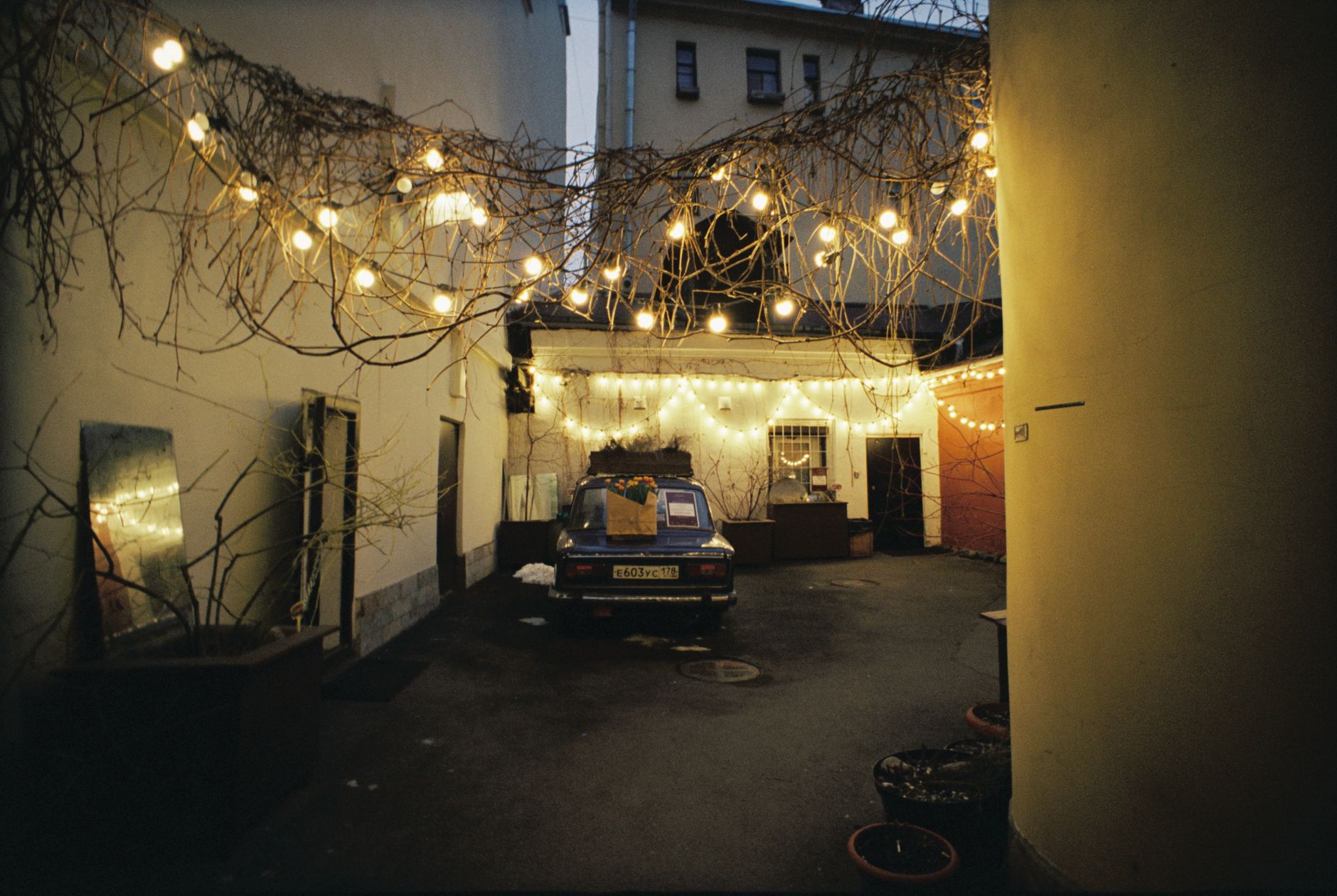
The scene clusters in a few zones. Fabrika, the old Soviet sewing factory in Chugureti, is your warm-up HQ. It’s a converted compound with a dozen bars and food stalls sharing a courtyard, peaks around 10 PM to 1 AM, and sits walking distance from the serious clubs that open once the compound crowd starts getting itchy feet. The underground club scene proper runs along the Mtkvari river and beneath the Dinamo Arena. And the Old Town’s Sololaki and Vera neighbourhoods are where you go when you want wine and a slower burn before the main event.
One more thing before we go venue by venue: as of 2026, Georgia requires all foreign visitors to hold travel medical insurance for the duration of their stay, with a minimum coverage of 30,000 GEL (roughly $11,000 USD). Get it sorted before you fly, not at the airport door.
Bassiani: The Club That Built the Reputation
You already know the name. Bassiani sits in a former Olympic swimming pool underneath Dinamo Arena, and yes, it is as unhinged and magnificent as it sounds. Broken tiles, raw concrete, cavernous ceilings, and a sound system that you feel in your sternum. The club holds around 1,200 people and opened in 2014 with a mission that went way beyond dancing. It became a space for queer Georgians, activists, and anyone who needed somewhere to breathe freely. That history is baked into the walls.
Practically: tickets run 40 to 60 GEL ($15 to $20 USD) depending on the lineup. Doors open around midnight Friday and Saturday, but don’t bother arriving before 1:30 AM. Register on Bassiani’s official website before you go, because they require your name, passport number, and a social media link for verification. Do it a few days early. The face control is real and it’s not about what you’re wearing. It’s about whether you look like you came to dance or came to Instagram the experience. Put it this way: if your plan includes filming anything, you will be escorted out. They sticker phone cameras at the door and mean it.
Also, Bassiani hosts Horoom Nights once a month, the largest LGBTQ+ event in the Caucasus. If that lines up with your trip, prioritise it.
Khidi and Corridor: For When You Want to Go Deeper
Bassiani gets the headlines. But Tbilisi’s underground scene doesn’t begin and end there.
Khidi, which means “bridge” in Georgian, is literally built under a bridge over the Mtkvari river. Raw industrial aesthetic, outdoor decks, harder programming. Less polished than Bassiani, more experimental. You’ll find drum and bass, breakbeat, and local DJs alongside the techno. The crowd skews younger and the face control is a bit more relaxed, which is useful if you got nervous reading the Bassiani section. Summer is peak Khidi season because of the outdoor setup, but it runs year-round.
Corridor is the one the locals really cherish. Smaller, more intimate, house and techno with occasional deviations. The crowd is local rather than tourist-heavy, and Bassiani residents sometimes DJ here on off-nights. One catch: the venue has moved more than once. Find their current location on Instagram at @clubcorridor before you go, or you’ll be standing in an empty street at 2 AM looking confused. Don’t be that person.
Bars You’ll Actually Want to Drink In
Not every night needs to be a twelve-hour techno odyssey. Sometimes you just want a glass of something good and a seat. Tbilisi has you covered, but you need to know where the tourist markup kicks in and where it doesn’t.
Shardeni Street in the Old Town looks great and charges accordingly. A glass of house wine that costs 5 to 7 GEL on Agmashenebeli Avenue costs 12 to 18 GEL on Shardeni. Cocktails run 20 to 30 GEL. The vibe is real but you’re paying a tourist premium on everything. Go once for the atmosphere, then move two streets in either direction into Sololaki, where owner-run bars serve the same wine at half the price and nobody’s trying to get you into a photo op.
Vino Underground is the wine bar that started the amber wine obsession in Tbilisi, the first venue in the city to serve organic and biodynamic wines exclusively. Go for the qvevri-fermented skin-contact whites. They’re unlike anything you’ll find back home. A glass will run you around 8 to 15 GEL ($3 to $5.50 USD), which in Western European terms is practically free for the quality you’re getting.
Warszawa Bar in Vera is tiny, often packed, and one of the best places to start your night. Daily until 4 AM, mixed crowd of locals, expats, and travellers, zero pretension. Pluto Records, a vinyl shop and bar, is where music nerds pre-game. Drunk Owl does cheap drinks, live music, and late-night fries. All of these are 7 to 12 GEL ($2.50 to $4.50 USD) per drink, which will make you feel slightly unhinged when you think about bar prices back home.
For something newer, Baasi Wine Bar opened in 2026 on the far end of Sololaki in a warehouse-style space that somehow still feels intimate. Good natural wine list, live music on Friday and Saturday, and a kitchen doing small bites and full meals. Worth an early evening stop before things get serious.
The Culture Behind the Party (Read This or You’ll Be That Tourist)
Tbilisi’s party scene didn’t just happen. After the 2003 Rose Revolution, a generation of young Georgians built a cultural scene that was explicitly about freedom: in music, in sexuality, in how you move through public space. The clubs became protected spaces, and that’s not hyperbole. In 2018, Bassiani was raided by police and the owners were arrested. The city erupted in protest. People danced on the steps of parliament. The clubs won.
That history means the community is protective. The no-photography rule isn’t an aesthetic quirk. It’s about creating a space where people can be themselves without ending up on someone’s story. Respect it like you’d respect someone’s home. Because that’s essentially what it is.
The clubs are famously queer-friendly. Read the room and treat people accordingly. If someone bumps into you on the dancefloor at 4 AM, smile and keep dancing. If you bring aggression or disrespect into the room, you’ll find out very quickly that Tbilisi’s face control works on the inside too.
Watch your bag in tourist-busy zones like Shardeni. Use Bolt for late-night rides back, it’s cheap and reliable. Bolt is the go-to ride-share app here and far cheaper than street taxis, especially at night. Drink some water between rounds. The chacha sneaks up on you.
If you’re planning to do this trip properly, you’ll need somewhere decent to sleep off the damage. Hostelworld has solid listings in Chugureti and around Marjanishvili Square, which puts you right in the middle of the action without the Old Town tourist markup on accommodation. Fabrika Hostel, right in the compound itself, is the obvious choice if you want to stumble from bed to bar without a commute.
The Practical Stuff You Need Before You Go
Budget: Tbilisi is genuinely cheap for what you get, but it’s not the bottom-barrel deal it was five years ago. Expect to spend 30 to 50 GEL ($11 to $18 USD) on a big club night including entry and drinks. Wine bar evening in Sololaki? 20 to 35 GEL covers it comfortably. You can eat khinkali dumplings near Fabrika at 2 AM for under 10 GEL. Late-night snacking is basically built into the schedule here.
Getting around: Bolt. Always Bolt. Don’t hail a taxi off the street at night, you’ll get overcharged. The metro is useful earlier in the evening but stops running around midnight, so Bolt handles the after-hours logistics.
Register for Bassiani in advance. Check Corridor’s current location on Instagram before heading out. Arrive at clubs after 1:30 AM. Don’t bring tourist energy into underground spaces. And if you want to do this right across a full trip, check our backpacking basics guide for the logistics that bookend a night like this. If Tbilisi happens to land during a festival weekend, our festival survival guide has the stamina tips you’re going to need.
Key Takeaways
Tbilisi nightlife is some of the most serious, affordable, and culturally rich partying in Europe right now, but it rewards people who do their homework and punishes those who don’t.
- Don’t arrive at clubs before 1:30 AM. The crowd peaks between 2 AM and 6 AM. Plan accordingly.
- Register on bassiani.com a few days before your visit. Don’t leave it until the night itself or you risk the door.
- Shardeni Street is beautiful and overpriced. Sololaki, Vera, and Agmashenebeli give you the same city at half the cost.
- The no-photography rule inside clubs is non-negotiable. Get your camera stickered and leave it alone.
- Use Bolt for all late-night transport. Skip the street taxis. Sort your travel insurance before you arrive, it’s now required by Georgian law.
Go in with respect for the culture behind the music and you’ll have one of the best nights of your travelling life. Show up like a tourist at a zoo and you won’t get past the door.
FAQs
Is Tbilisi nightlife safe for solo travellers?
Generally yes. The clubs themselves are well-run and the queer-friendly, inclusive atmosphere in places like Bassiani and Khidi creates a safer-than-average environment. Use Bolt for transport home, keep your bag close in busy tourist streets like Shardeni, and be a bit cautious about unsolicited invitations from strangers to obscure venues with no reviews online.
How much does a night out in Tbilisi cost?
A solid club night including entry and drinks will run you roughly 30 to 50 GEL ($11 to $18 USD). Wine bar evenings in Sololaki cost 20 to 35 GEL all-in. Bassiani entry is 40 to 60 GEL ($15 to $20 USD) depending on the event. By Western European standards, this is very affordable for the quality on offer.
Do I need to book in advance for Bassiani?
Yes. Register on bassiani.com before your visit with your name, passport number, and a social media link. The verification process can take a few days, so don’t leave it until the night you want to go. For big events, pre-registration is often required to buy tickets at all.
What’s the dress code at Tbilisi clubs?
There’s no rigid dress code, but look like you came to dance, not to be seen. Black, casual, comfortable. The crowd at Bassiani tends toward techno attire: dark clothes, comfortable shoes you can wear for six hours. Avoid anything flashy, formal, or tourist-coded. The door isn’t checking your outfit so much as your energy.
What’s the best neighbourhood to stay in for Tbilisi nightlife?
Chugureti (around Fabrika and Marjanishvili Square) puts you closest to the serious clubs and the best pre-game bars. It’s also cheaper for accommodation than the Old Town. Sololaki works well too if you want to be near the wine bars and can handle a short Bolt ride to the clubs.
Did You Survive Tbilisi After Dark?
If you did this right, you’re sitting somewhere with khinkali and strong coffee, watching the city wake up while you’re still technically on last night. Tbilisi nightlife earns every bit of the reputation it’s built, but only if you go in on its terms: late starts, no phones on the dancefloor, genuine respect for a scene that fought hard to exist. Do that, and it’ll hand you a story you’re still telling two years later.