
Disclosure: This article contains affiliate links. If you make a purchase through one of these links, National Litographic may earn a commission at no extra cost to you.
Belgrade is the party city that Europe’s backpacker circuit somehow keeps sleeping on, and honestly, that’s the best thing about it right now. The drinks are cheaper than anywhere in Western Europe, the clubs run until noon the next day, and the floating river bars called splavs are unlike anything else on the continent. If you’re routing through the Balkans and skipping Belgrade, you’re making a serious mistake.
This isn’t a “go for the architecture” situation. You’re here to go out. So let’s get into how Belgrade nightlife actually works, where to go, what it costs, and where not to bother.
How Belgrade Nightlife Actually Works (It’s Not Like Anywhere Else)
First thing you need to rewire: your timeline. Bars fill up from 22:00. Clubs don’t hit their stride until midnight or 1am, and they run until 6am, 8am, sometimes noon on weekends. This is not an exaggeration. If you show up to a splav at 11pm, you’ll be the only person there and the bartender will look at you with pity.
The city is split between two seasonal realities. Summer (May through September) belongs to the splavs, those legendary floating clubs moored along the Sava and Danube rivers. Winter shifts everything indoors to warehouse clubs and basement venues. Both are great. But if you’re hitting Belgrade in summer, the splavs are the whole reason you came.
Prices are genuinely absurd by Western European standards. A 500ml draught beer runs around 250-350 RSD (roughly $2.50-$3.50 USD) in a bar. A shot of rakia, Serbia’s national firewater, can be as little as 150 RSD (under $1.50). A full night out, including dinner, will set you back around €25-50 per person. In London that buys you two pints and a sad look from your bank app.
One logistics note before you even think about getting dressed: use CarGo (Belgrade’s local ride-hail app) or official taxi companies like Pink Taxi. Don’t get into an unmarked car outside a club at 4am. Drink water. I’m not your mum, but I am your friend, and that matters.
The Splavs: Belgrade’s Floating Party Scene
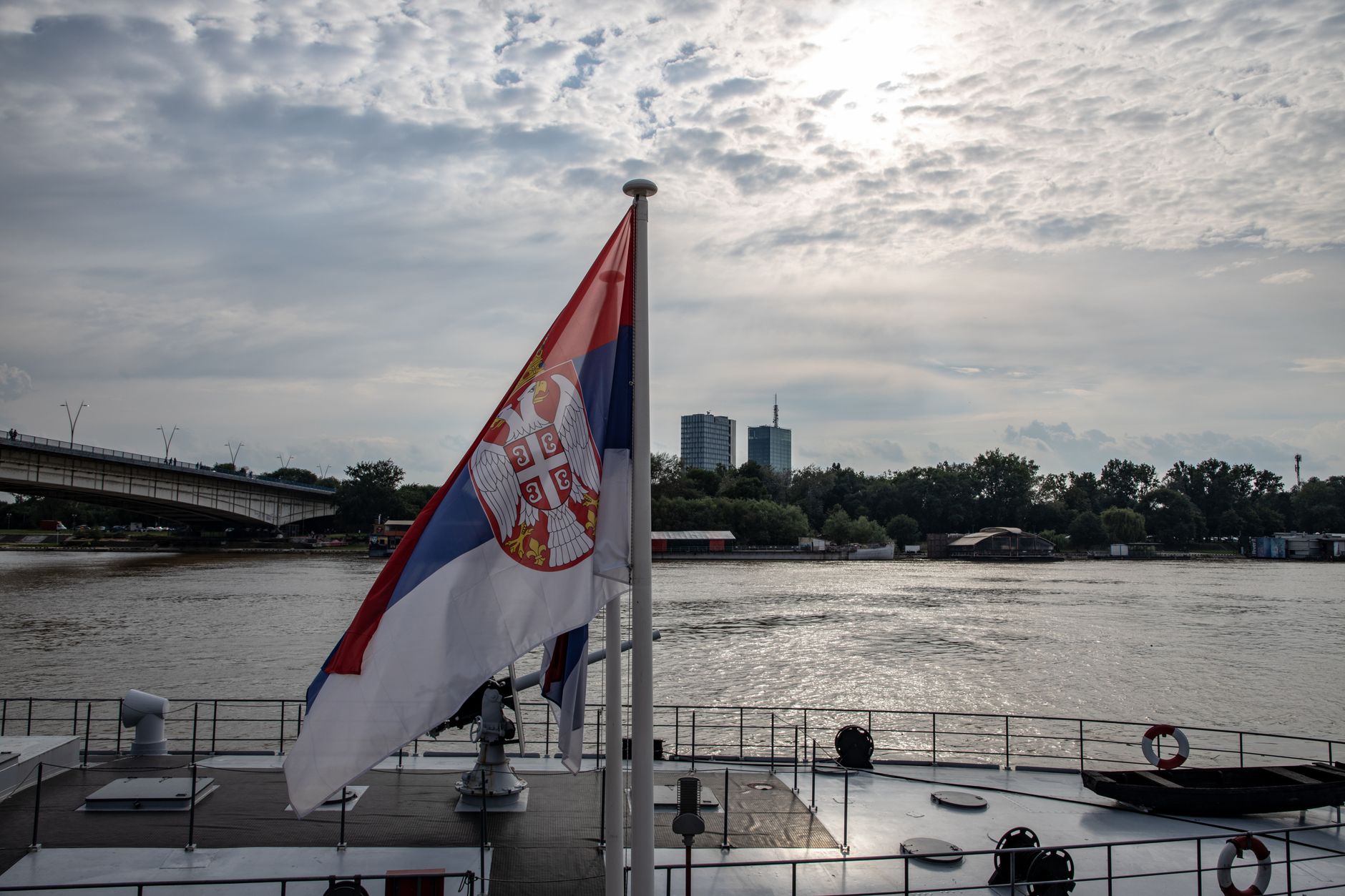
Splavs are pontoon clubs. Actual boats, moored to the riverbank, pumping music, packed with people. The Sava side tends to be more urban and high-energy, with a mixed crowd and harder music. The Danube side (around the Zemun area) skews more polished, more fashion-forward, more table-service. Both are worth your time depending on what you’re after.
The main strip to know is Sajamski Kej along the Sava, where splavs like Leto, Kucica, Money, and Tag are clustered. You can walk the strip and feel out the vibe before committing. On weekends, popular splavs fill up fast, so if you’ve got a specific one in mind, book a table or at least arrive before 1am. No reservation? Go earlier, scope it out, and keep moving until something clicks. That’s half the fun.
Music on the splavs leans toward turbo-folk (Serbia’s unapologetic blend of Balkan folk and electronic pop), commercial house, and mainstream R&B. If you want techno, the splavs are not your spot. If you want to feel like you’ve crashed a Serbian wedding that somehow ended up on a boat, the splavs are absolutely your spot.
Savamala: The Creative District That Actually Delivers
Every city has a “creative quarter” that’s mostly overpriced coffee shops and disappointment. Savamala is actually the real thing. It’s Belgrade’s arts and nightlife hub, stacked along the Sava riverfront just south of the old town, and it works best Thursday through Saturday.
Drugstore is the anchor venue here. It sits under the bridge ramp near the Sava, dark interior, serious sound system, international DJs, and a dress code that’s genuinely relaxed (no suits, no nonsense). Entry is typically free before midnight and €5-10 after. It opens at 1am and runs until the sun has been up for an embarrassingly long time. This is where you go if you want proper techno and electronic music without the velvet-rope theatre of the bigger clubs.
Antesala and Mixer House are smaller venues in the same stretch, good for bar-hopping earlier in the evening before you commit to a full club night. The neighbourhood is walkable. Start around 21:00, move between bars, eat something (seriously), and then migrate to the clubs after midnight.
The Bigger Clubs: What’s Worth It and What Isn’t
Hype is the name you’ll hear most. It’s widely considered the top-tier nightclub in Belgrade right now, with production quality and crowd energy to match. It’s also the most likely to have a face-control door policy and a dress code. Smart-casual means it. Trainers are often fine, hoodies usually aren’t. Age limits at the bigger clubs run 21+ or 23+, and they mean it, so have ID.
The Bank, Gatsby, and Tranzit round out the higher-end club scene. These are the places for bottle service, bigger DJ names, and a crowd that’s dressed to be seen. If that’s your vibe, great. If you just want to dance and not worry about what shoes you’re wearing, Drugstore and the splavs will treat you better.
Ben Akiba is worth knowing about for a completely different reason: it’s a live comedy and cabaret venue with a rotating programme of shows, and it’s brilliant for an early evening before things get properly late. Not every night in Belgrade has to start at a bar.
And if you need to sort your base camp before any of this, Hostelworld has solid options in Belgrade ranging from party hostels near Savamala to quieter spots in Vracar. Budget a dorm bed for around €12-18 a night, which leaves plenty of RSD for the actual mission.
Skadarlija and Kafanas: The Bit Everyone Skips (Don’t)
Dragging my tired feet and hangover head through Skadarlija the morning after a splav night is genuinely one of the better travel memories I’ve got. But this cobblestone bohemian quarter is also worth visiting before you go out. The kafanas here, old-school Serbian taverns serving grilled meat and rakia with live folk music, are something else entirely. Tri Sesira and Dva Jelena are the names to know. Neither is cheap by Belgrade standards, but by anywhere-else standards you’re still paying almost nothing.
The kafana experience isn’t the same as clubbing, obviously. But it is Belgrade. It’s locals eating cevapi at midnight, accordion players drifting between tables, rakia appearing without being ordered. Go at least once. It’s a completely different gear of the city and it rounds out the whole trip.
If you want to build a bigger Balkans itinerary around a Belgrade base, the destinations hub has plenty of routes to work with across the region.
What to Know Before Your First Night Out
A few things nobody puts in the guidebook. First: Serbia uses the Serbian Dinar (RSD). The exchange rate sits around 102 RSD to $1 USD, 117 RSD to €1. ATMs are everywhere and work fine. Withdraw cash because some splav bars don’t do cards, especially late in the evening when the machines inside the venue conveniently stop working.
Second: the week is alive here. Belgrade goes out on Tuesdays. It goes out on Wednesdays. Seriously, don’t save it all for Friday. The crowds are better and you won’t spend half the night in a queue. If you’re visiting during summer, check the Tourist Organization of Belgrade’s official site for any major events or city festivals that might affect venue schedules or prices.
Third: watch your bag in the busier clubs, not because Belgrade is especially dangerous, but because any packed, late-night venue anywhere in Europe is where pickpockets work. Front pocket your phone and your cash. Put your passport in your accommodation’s safe. Then forget about it and have a good time.
If it’s your first big party trip and you want a framework before you get there, the backpacking basics guide covers the practical groundwork. And if a summer festival is pulling you through the Balkans anyway, the festival survival guide will stop you making the obvious mistakes.
Key Takeaways
Belgrade nightlife is genuinely one of the best-value, most distinct party scenes in Europe right now, but it rewards people who know how it works.
- Don’t show up to clubs before midnight. Bars from 22:00, clubs from 00:00-01:00, and some run until noon the next day.
- Splavs (floating river clubs) run May through September along the Sava and Danube. Sajamski Kej is the main strip to know.
- Savamala is the go-to neighbourhood for bar-hopping and techno. Drugstore is the anchor club. Start the evening around 21:00 and go from there.
- A beer costs around 250-350 RSD ($2.50-$3.50). A full night out including dinner runs €25-50. Withdraw RSD in cash before hitting the splavs.
- Bigger clubs like Hype have dress codes (smart-casual) and age limits of 21+/23+. Have ID and don’t show up in a hoodie expecting to walk in.
Go late, go hungry first, grab cash, and give yourself at least two nights to actually feel the city’s rhythm.
FAQs
When is the best time of year to experience Belgrade nightlife?
Summer (May through September) is peak season for the splavs, which most people consider the defining Belgrade experience. That said, the indoor club scene runs year-round and winter has its own energy with warehouse parties and basement venues. Avoid January and February if the splavs are your priority.
Do I need to book in advance for Belgrade clubs?
For the bigger indoor clubs like Hype and Gatsby on a Saturday night, a reservation or guestlist spot is worth getting, especially if you’re going as a group. Splavs fill up fast on weekends too, so arriving before 1am or booking a table helps. For Drugstore and smaller Savamala venues, you can usually just show up.
Is Belgrade nightlife safe for solo travellers?
Generally yes. Belgrade is a city where people go out solo all the time and locals are welcoming, with most speaking enough English to help you out. Standard precautions apply: use official taxis or CarGo for rides, keep your valuables secure in crowded clubs, and don’t flash large amounts of cash. Solo travel here is very manageable.
What’s the dress code like at Belgrade clubs?
Smart-casual is the standard at the higher-end clubs. Trainers are usually fine, but avoid sportswear, hoodies, or overly casual looks if you’re heading to Hype, Gatsby, or The Bank. The Savamala clubs and splavs are far more relaxed. Locals dress up more than you’d expect, so making a small effort goes a long way at the door.
Do Belgrade venues accept credit cards?
Many bars and restaurants do, but cash is king late at night, especially on the splavs. ATMs are common across the city, so withdraw Serbian Dinars (RSD) before heading out for the evening. The current rate is roughly 102 RSD to $1 USD and 117 RSD to €1.
Did You Survive Belgrade After Dark?
If you came here thinking Belgrade was just another European capital with a bar street and some overpriced cocktails, I hope this cleared that up. The splavs are real, the prices are absurd in the best possible way, and the city genuinely doesn’t stop until the sun has been up for hours. Go late, pace yourself on the rakia, and book at least three nights because two is never enough.