

Disclosure: This article contains affiliate links. If you make a purchase through one of these links, National Litographic may earn a commission at no extra cost to you.
Chile does not get the backpacker hype it deserves. While everyone queues for Machu Picchu or argues about which Colombian city wins, this razor-thin strip of a country is quietly running some of the best nightlife, cheapest craft beer scenes, and most genuinely welcoming hostel cultures in all of South America. This is the survival guide that gets you through it without blowing your budget, missing the best spots, or spending your first night in the wrong part of Santiago.
If you’re brand new to backpacking South America, get yourself grounded with the backpacking basics guide before you read anything else. Done? Good. Now let’s talk Chile.
The Chile Backpacker Guide: What You’re Actually Getting Into
Chile is long. Absurdly, almost comically long. We’re talking 4,300 kilometres from the Atacama Desert in the north to Patagonia in the south, and it’s barely wider than a decent river at some points. That shape matters because it means your trip is basically a straight line, which is great for logistics and very, very bad for your lower back on overnight buses.
Budget-wise, Chile sits in a sweet spot. It’s not Bolivia cheap, but it’s nowhere near as expensive as people fear. A realistic backpacker budget lands at around 45,000 to 55,000 CLP per day (roughly $45 to $55 USD), covering a hostel dorm, local food, and public transport. Dormitory beds in Santiago run 12,000 to 22,000 CLP ($12 to $22 USD) a night depending on the neighbourhood and season. Cards work fine in cities. Always carry some cash for street food stalls and rural spots. Use ATMs from Banco Estado or BCI, which tend to hit you with lower fees than the others.
The main cities you’ll hit are Santiago (start here), Valparaíso (go immediately after), San Pedro de Atacama (for the desert detour), and Puerto Natales (Patagonia gateway). That’s your spine. Everything else is a branch off it.
Santiago: Where to Sleep, Drink, and Not Get Lost
Santiago is a proper big city. It can feel intimidating on day one, especially dragging your tired feet and hangover head through the bus terminal. Don’t stress. The metro is excellent, costs around 890 CLP (under $1 USD) per ride, and covers everywhere you need to be.
Stay in Barrio Bellavista or Barrio Brasil. Full stop. These are your neighbourhoods. Bellavista is the nightlife hub, full of bars on Pío Nono street and the surrounding blocks. Brasil is slightly calmer, great for craft beer bars and the kind of hostel common room where you end up staying up until 4am talking to a Finnish guy about philosophy. Both are well connected to the metro.
For nightlife, Plaza Ñuñoa is criminally underrated by tourists who never leave Bellavista. It’s where locals actually drink. Bar La Piojera near the Mercado Central is an institution, a chaotic old tavern where they serve Terremoto cocktails (pipeño wine, grenadine, and pineapple ice cream in a giant glass). Yes, they’re as lethal as they sound. Drink water between rounds. Seriously.
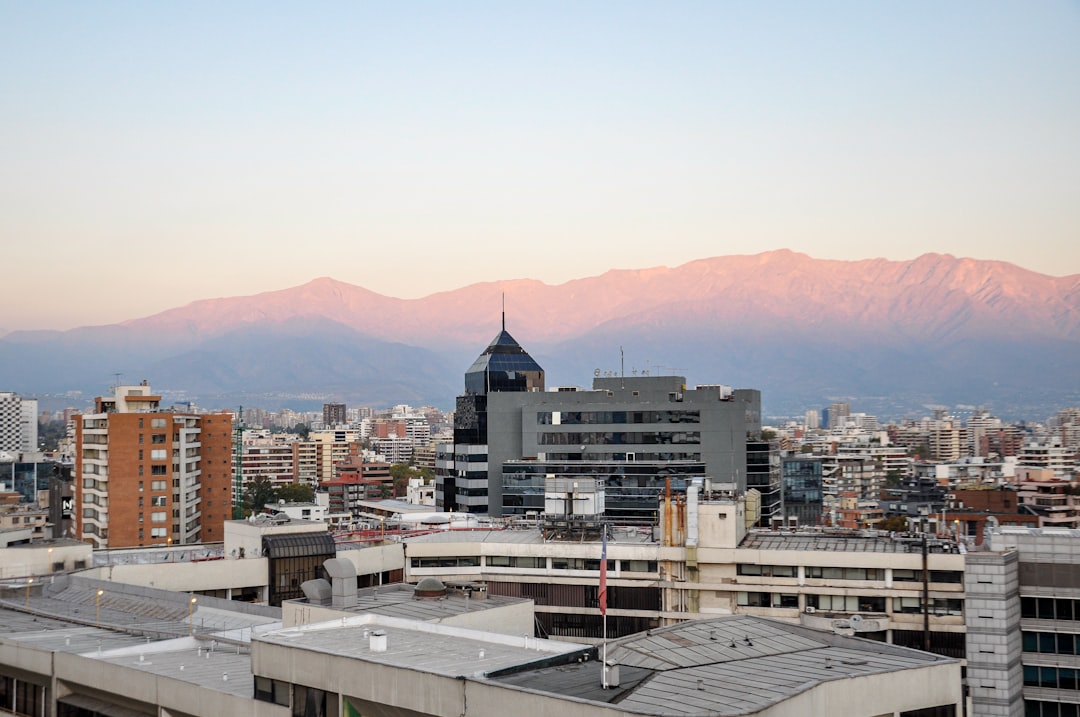
The craft beer scene is genuinely worth your time. Hop around the bars along Barrio Italia on a Thursday night and you’ll find local breweries pouring pints from around 4,000 CLP ($4 USD). That’s not a typo. Skip the tourist-facing rooftop bars in Providencia unless someone else is paying.
Book your Santiago bed through Hostelworld and filter by social rating, not just price. The difference between a dead hostel and a social one in Santiago is the difference between a good trip and a great one.
Valparaíso: The Chaotic Port City That Will Steal Your Heart (and Maybe Your Phone)
Valparaíso, or Valpo as everyone calls it, is about 120 kilometres west of Santiago. Take the Turbus or Pullman from the Alameda terminal. Costs around 5,000 to 7,000 CLP ($5 to $7 USD) and takes about an hour and a half. Do this trip. It’s not optional.
Valpo is a UNESCO-listed port city built across dozens of steep hills covered in street murals, rickety Victorian houses, and funicular lifts (called ascensores) that creak their way up the hillsides. It looks like someone gave a city a can of spray paint and said have at it. The vibe is bohemian, slightly anarchic, and absolutely brilliant for a night out.
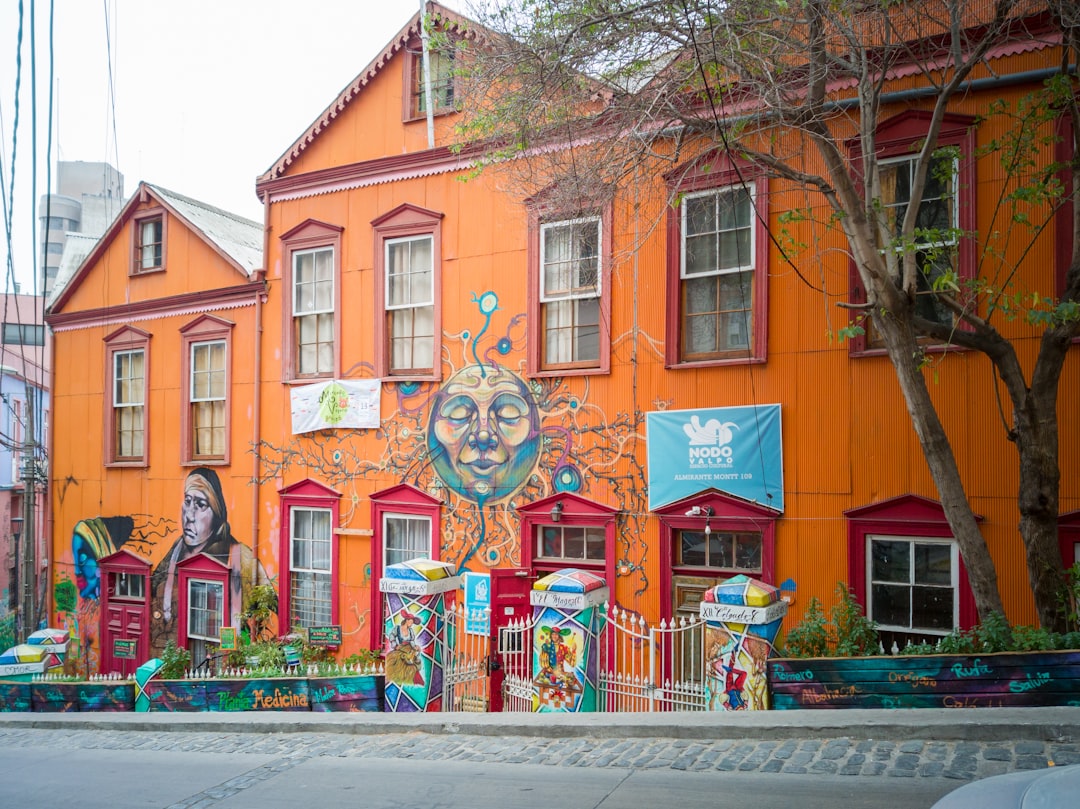
Bars cluster on Cerro Alegre and Cerro Concepción. These are the tourist-friendly hills, and yes, they’re a bit pricier, but the views from the terraces at night make it forgivable. Wander down to the port area around Av. Errázuriz for rougher-around-the-edges bars with locals and live cumbia. Hostel dorms here run similar to Santiago, around 12,000 to 15,000 CLP ($12 to $15 USD) a night. Don’t walk around the lower flat port area late at night alone. The hills are generally fine, the lower districts need more awareness after dark.
Getting Around Chile: Buses, Planes, and Your Sanity
Buses are your best friend here. The Chilean intercity bus network is genuinely good. Turbus and Pullman Bus are the main operators, reliable, affordable, and often with cama (fully flat) or semi-cama seats on the longer routes. Santiago to Valparaíso is 5,000 to 7,000 CLP ($5 to $7 USD). Santiago to San Pedro de Atacama is a 23-hour overnight haul running around 35,000 to 50,000 CLP ($35 to $50 USD). Santiago to Puerto Natales is about 24 hours and costs 50,000 to 80,000 CLP ($50 to $80 USD) depending on seat class.
For longer distances, flying is worth doing the math on. Sky Airline and JetSMART run domestic routes that are sometimes cheaper than a bus if you book early. Santiago to Punta Arenas (Patagonia gateway) can drop to under 30,000 CLP ($30 USD) on a sale. Keep an eye out.
In cities, use Uber, Cabify, or DiDi. They’re safe, metered, and beat the random taxi haggling situation every time. The Santiago metro covers most of what you need and runs until around midnight on weekdays and slightly later on weekends.
Safety in Chile: The Real Picture, Not the Scary Version
Chile is one of the calmer countries in South America by most measures. The U.S. State Department currently rates it Level 2 (exercise increased caution), which is the same rating they give France and Belgium. The Canadian government advises “a high degree of caution” primarily around protest activity. The UK’s FCDO has no recommendation against travel. That’s the baseline.
Petty theft is the real risk, not violent crime targeting tourists. Pickpocketing and bag snatching happen in crowded areas, mainly Santiago Centro, Bellavista, and around the Mercado Central. Keep your phone in your front pocket. Don’t wander around with a DSLR bouncing off your chest at 2am. Watch your drink in bars, especially in tourist-heavy areas of Bellavista and the Suecia neighbourhood. The Canadian government specifically flags drink spiking as a documented risk in those zones.
Protests happen, mostly in Santiago’s Plaza Italia (Plaza Baquedano) area. They’re usually peaceful but can disrupt metro service without much warning. Check local news before heading downtown. Tourists are rarely caught up in these if you stay out of the central square when something’s building.
Chile sits on the Pacific Ring of Fire. Earthquakes are real. Chilean buildings are built to handle them and hostels have protocols, so don’t panic when a tremor rolls through at 3am. It will happen. It’s fine. Check official emergency alerts from SENAPRED (formerly ONEMI), Chile’s national emergency office, if something feels serious.
Check the UK FCDO Chile travel advice page before you fly, it’s updated regularly and gives you a clear, non-hysterical read on current conditions.
The Rest of Chile: A Very Quick Rundown
San Pedro de Atacama in the north is expensive for Chile, easily 80,000 to 100,000 CLP ($80 to $100 USD) a day once you add in tours, but the salt flats, geysers, and stargazing are on another level. Go for three or four nights, budget accordingly, and don’t skip the Valle de la Luna at sunset.
The Lake District (Temuco, Pucón, Puerto Montt) is underrated on the backpacker trail. Pucón in particular has a young, outdoorsy crowd, volcano hikes, hot springs, and a decent bar scene around the main plaza. Cheaper than Santiago for accommodation, around 10,000 to 15,000 CLP ($10 to $15 USD) for a dorm.
Patagonia and Torres del Paine. You know about it. Everyone knows about it. It’s magnificent and it costs money. Puerto Natales dorms run 18,000 to 30,000 CLP ($18 to $30 USD) a night. The W Trek in the park requires booking campsites months in advance if you’re going peak season (November to February). And yes, the weather will still try to destroy you regardless of when you go. Go anyway.
For a full breakdown of every destination in the region, the destinations hub has you covered. And if a festival is on the calendar while you’re in the country, read the festival survival guide before you show up underprepared.
Plan your full route using Chile Travel, the official tourism site, which has solid, up-to-date itinerary tools and regional breakdowns.
Key Takeaways
Chile is one of the most rewarding countries on the South American backpacker trail, and it rewards people who plan just a little bit ahead.
- Budget around 45,000 to 55,000 CLP ($45 to $55 USD) per day covering a dorm, local food, and public transport in Santiago. Patagonia will cost more.
- Stay in Barrio Bellavista or Barrio Brasil in Santiago. These are the social and nightlife neighbourhoods and your hostel social life depends on this choice.
- Buses are the backbone of your trip. Turbus and Pullman Bus cover the full length of the country reliably. Book overnight cama seats for the long hauls.
- Petty theft is the main safety risk. Front-pocket your phone, don’t flash gear late at night, and watch your drink in tourist bar areas of Bellavista.
- Don’t skip Valparaíso, San Pedro de Atacama, or the Lake District. Santiago plus Patagonia is a fine trip. All five is the actual trip.
Get the neighbourhoods right, use the bus network, and don’t underestimate how much you’ll want to linger in Valpo. Chile rewards the ones who slow down.
FAQs
Is Chile expensive for backpackers?
It’s mid-range by South American standards. Bolivia and Peru are cheaper, but Chile is significantly more affordable than Western Europe or Australia. A realistic daily budget on hostels, local food, and buses runs $45 to $55 USD. Patagonia and San Pedro de Atacama push that up to $80 to $100 USD a day once tours are included.
What’s the best base city to start a Chile backpacker trip?
Santiago. It has the main international airport, the densest hostel scene, and is the hub for buses heading north and south. Spend two or three nights, then head to Valparaíso for a couple more before deciding which direction the rest of your trip goes.
How do you get from Santiago to Valparaíso?
Turbus and Pullman Bus run frequent departures from the Alameda terminal in Santiago. The journey takes about 90 minutes and costs 5,000 to 7,000 CLP ($5 to $7 USD). They run throughout the day, so you don’t need to pre-book, just show up and grab the next bus.
Is Santiago safe for solo travellers at night?
Broadly yes, in the right neighbourhoods. Bellavista and Barrio Brasil are well-trafficked and have a low violent crime rate against tourists. The main risk is pickpocketing in crowded areas. Avoid wandering the lower flat port district of Santiago Centro alone late at night and use Uber rather than flagging random taxis.
Do I need to book Torres del Paine campsites in advance?
Yes, absolutely, and well in advance for peak season (November to February). The CONAF campsites and the private operators (Fantastico Sur and Vertice Patagonia) fill up months out. If you’re going in peak season and haven’t booked, you’ll be sleeping on a bench in Puerto Natales. Shoulder season (October and March) is more forgiving but still worth booking ahead.
Did You Survive Chile?
If you take one thing from this: the country is longer than it looks on the map and better than the hype suggests, and the hype is already pretty good. Get your neighbourhoods right in Santiago, actually go to Valparaíso instead of just planning to, and build in more time than you think you need because you will not want to leave. Chile has a way of doing that.


