

Disclosure: This article contains affiliate links. If you make a purchase through one of these links, National Litographic may earn a commission at no extra cost to you.
Medellín has been on the backpacker radar long enough that the warnings about it feel embarrassingly outdated, but not so long that the nightlife has turned into a sanitized theme park. The city has real neighborhoods with real bars, a genuinely world-class electronic scene, and a population that eats dinner at 9pm and considers midnight a reasonable time to start the night. If you are still in your hostel at 11pm wondering where to go, this guide will fix that.
This is a Medellín nightlife guide that actually tells you which zone fits your budget and mood, because the city has at least three genuinely different party scenes happening on any given Thursday night and the worst thing you can do is default to the most obvious one and wonder why it felt expensive and weirdly like a bar in Miami.
The Medellín Nightlife Landscape: Three Zones, Three Very Different Nights
Poblado, Laureles, Provenza. That’s the shortlist. They’re not interchangeable. Poblado is the tourist hub, loud and convenient with a solid concentration of bars around Parque Lleras. Provenza is Poblado’s more grown-up sibling, five blocks away, where the cocktail bars are better and the crowd is wealthier and actually Colombian. Laureles is where the locals go when they want a proper night out without paying gringo prices for a Club Colombia beer.
Each zone has a different vibe, a different price bracket, and a different crowd. Pick the wrong one for your energy and you’ll spend the whole night feeling slightly off. Here’s the breakdown.
Parque Lleras and El Poblado: Start Here, Don’t End Here
Let’s be honest about Parque Lleras. It’s the easiest place to land on your first night in Medellín. The bars spill onto the street, there’s staff who speak English, and you can wander between ten venues without calling an Uber. If this is your first backpacking trip to South America, starting here makes sense. You’ll get your bearings. Just don’t mistake it for the actual Medellín nightlife experience.
By 2026, Lleras has firmly settled into its identity as the city’s tourist zone. You’re paying double what Colombians pay a few streets over, and the crowd is overwhelmingly other travellers and expats. Peak hours run Thursday through Saturday, 10pm to 3am, and the energy is genuinely fun. But the cover charges at the clubs sit between 30,000 and 60,000 COP ($7 to $15 USD) on weekends, sometimes with a drink token, often without. A cocktail will set you back 28,000 to 40,000 COP ($7 to $10). A beer on the street, cheaper, around 8,000 to 12,000 COP ($2 to $3).
The move is to treat Lleras as an opening act. Get there around 10pm, grab drinks in the park itself where vendors are cheap and the people-watching is excellent, then decide where to actually spend the night based on your mood. Don’t let aggressive promoters outside clubs hustle you in before you’ve even figured out if the music is your thing.
Watch your bag here. Seriously. It’s not dangerous in a dramatic way, but it is busy and distracted, which is exactly when pickpockets do their best work. Keep your phone in your front pocket and your situational awareness switched on, even after your third aguardiente.
Provenza: The Sweet Spot You’re Probably Skipping
Five blocks from Lleras and a completely different world. Provenza is where the Poblado experience actually gets good. The bars and restaurants along Calle 8 and the surrounding streets are more cocktail-focused, more local, and about 30 to 40 percent cheaper than the core tourist strip. Places like El Social and Envy Rooftop draw a mix of paisas and internationals who’ve been in the city long enough to know better than to queue outside a Lleras mega-club.
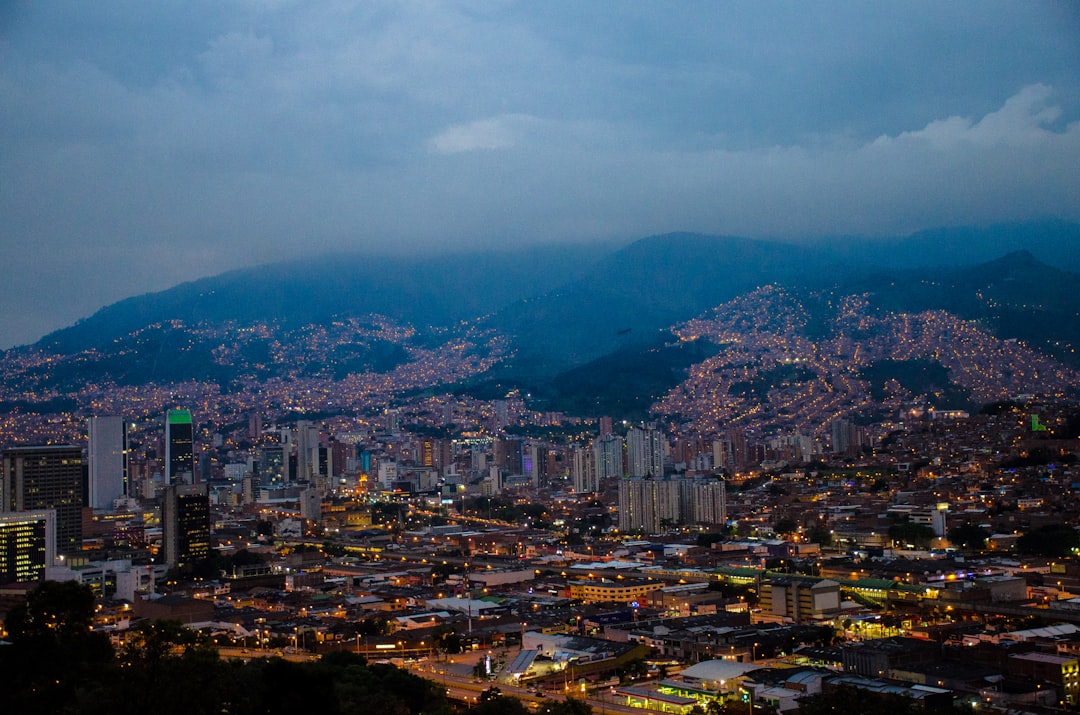
The rooftop bars here are legitimately special. You’re looking out over the illuminated hills with a well-made aguardiente sour in your hand and the music is actually good. Provenza gives you that city-at-night energy without the sensation of being processed through a tourism machine. If you only go to Lleras the whole trip, you will leave with an incomplete picture of what Medellín nights can be.
Laureles and La 70: Where the Locals Actually Drink
Take the Metro to Estadio station and walk. That’s the move. Laureles costs you a fraction of Poblado and delivers a crowd that is, refreshingly, not composed entirely of people wearing the same North Face backpack as you.
La 70, the street running between Estadio metro and the Unicentro mall, is the budget backbone of Laureles nightlife. The bars are straightforward, the beers are cheap (around 5,000 to 7,000 COP, just over a dollar), and the atmosphere is relaxed in a way that Lleras never quite manages. It’s the kind of place where you end up talking to a table of Colombian university students for three hours because someone made a joke about the football and nobody wanted to stop. Salsa venues like Son Havana sit in this part of town too. Go. Even if you can’t dance. Especially if you can’t dance.
Calle 33 runs parallel and skews a little more polished. You’ve got Sputnik Bar, Oveja Negra, and a handful of cocktail spots that hold their own quality-wise against anything in Poblado, for about 60 percent of the price. No cover charges at most places, no velvet rope theatrics, no promoter grabbing your arm.
Getting Around After Dark: The One Rule That Actually Matters
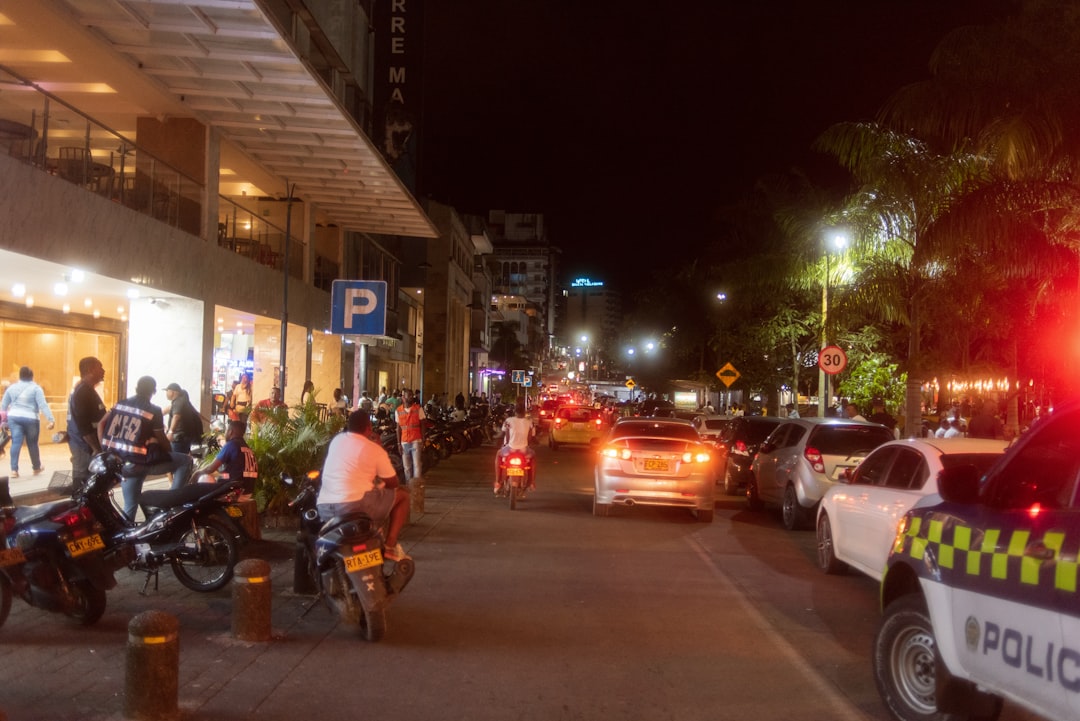
Uber and DiDi. Full stop. Both apps run widely across Medellín and the pricing is predictable. Getting from Lleras to Laureles will cost you around 15,000 to 25,000 COP ($4 to $6). Do not hail a random street taxi at 2am when you’re loose, especially from the Lleras area. The official tourism guidance from the city’s visitor information page also points you toward trackable ride apps over unmarked taxis, and they’re right. If someone quotes you $15 to $20 for a short hop across the city, close the car door and open your app instead.
The Metro stops running around 11pm on weekdays and a bit later on weekends, so don’t rely on it for your late-night return unless you’re going out early by Medellín standards. Plan for Uber back. Budget it in. It’s cheap enough that there’s no excuse to make bad decisions about how you get home.
Drink water. Hot city, high altitude for a valley, and aguardiente sneaks up on you faster than you expect. The locals eating arepas from the street stalls at 3am are onto something. La bajona is real, the post-night hunger is real, and the vendors outside the bars are cheap and actually good. Eat the empanada.
The Electronic Scene and Special Events: Medellín’s Other Reputation
Medellín has a genuinely serious electronic music scene, one that goes well beyond the tourist-facing clubs in Lleras. The city has produced DJs and promoters who get booked in Bogotá and São Paulo, and the local raves and warehouse parties that circulate on Instagram are a different animal entirely from a Poblado rooftop with a DJ playing reggaeton at 70 percent volume.
Keep an eye on local promoters and event pages for the underground stuff. The Medellín nightlife calendar also picks up hard around the Feria de las Flores in August, when the city is already in full celebration mode and every bar turns the volume up another notch. If you’re planning around a festival, a festival survival guide is worth reading before you show up without earplugs or a plan for getting home at 6am.
Upscale clubs in Poblado can charge up to 80,000 COP ($20 USD) cover on big event nights. Sometimes that’s worth it for a properly booked international act. Usually it isn’t. Check who’s actually playing before you hand over your card.
If you’re still sorting out where to bed down between nights out, booking through Hostelworld will show you the hostel options across all three neighbourhoods so you can pick based on where you actually want to be, not just default to whatever’s closest to the airport shuttle drop-off. Staying in Laureles instead of Poblado will also save you money every single night, which you can redirect entirely into aguardiente research. It’s a solid financial strategy.
Browse more options across South America and beyond on the destinations hub if Medellín is just one stop on a longer trip.
Key Takeaways
Medellín’s nightlife rewards the people who do ten minutes of planning instead of just following the hostel crowd to the nearest Parque Lleras bar and calling it a night.
- Parque Lleras is the tourist hub: convenient, fun for an opening drink, but overpriced if you stay there all night. Cocktails run 28,000 to 40,000 COP ($7 to $10); club covers hit 30,000 to 60,000 COP ($7 to $15) on weekends.
- Provenza, five blocks from Lleras, has better cocktail bars, a more local crowd, and prices roughly 30 to 40 percent lower. Go here on night two once you’ve got your bearings.
- Laureles and La 70 are where Colombians actually drink. Beers from 5,000 to 7,000 COP, barely a dollar, most bars have no cover, and the salsa venues on La 70 are genuinely worth the Metro ride.
- Use Uber or DiDi only. No unmarked street taxis, especially late at night from Lleras. A cross-city ride should cost 15,000 to 25,000 COP, not $20.
- The city eats late and starts late. Don’t show up anywhere before 10pm expecting energy, and plan to be out past 2am if you want to see the city at full speed.
Pick one neighbourhood per night, go deep, and stop trying to do everything. Medellín will reward that approach every single time.
FAQs
Is Parque Lleras safe for tourists at night?
Generally yes, especially Thursday through Saturday when it’s busy and well-lit with a high foot traffic. The main risk is opportunistic pickpocketing in crowded areas, not anything more serious. Keep your phone out of your back pocket, stay aware of your surroundings when you’ve had a few, and use a ride app rather than a street taxi for getting home.
What is the local drinking age in Colombia?
The legal drinking age in Colombia is 18. Valid ID is required and enforced at club doors, particularly in the more established venues around Poblado.
How much does a night out in Medellín actually cost?
It depends entirely on where you drink. In Laureles, you can have a solid night for 50,000 to 80,000 COP ($12 to $20) including transport. In Parque Lleras with club entry, budget 150,000 to 200,000 COP ($37 to $50) for a full night. Provenza sits comfortably in between.
Do Medellín bars and clubs play salsa or electronic music?
Both, depending on where you go. Parque Lleras skews toward electronic, reggaeton, and commercial sounds. La 70 in Laureles has proper salsa clubs like Son Havana where people actually dance. The underground electronic scene runs through promoter-organized events and warehouse parties that you’ll find by following local event accounts on Instagram.
What time do bars and clubs actually get busy in Medellín?
Medellín runs late. Most bars don’t fill up until 10pm or 11pm, and clubs hit their peak between midnight and 3am. If you’re showing up at 9pm expecting a party, you’re going to be standing in an empty room with one bartender looking at their phone. Eat dinner first, pregame lightly, and leave the hostel around 10:30pm.
Did You Survive Parque Lleras?
Medellín nightlife is genuinely excellent and also genuinely easy to do wrong if you just follow the hostel herd to Lleras every night and wonder why it feels a bit flat and weirdly expensive. Get yourself to Laureles at least once, eat an arepa at 3am from a street vendor, and take the Uber home instead of making any decisions about street taxis after your fourth aguardiente. That’s the whole playbook right there.


