
Disclosure: This article contains affiliate links. If you make a purchase through one of these links, National Litographic may earn a commission at no extra cost to you.
Rosario doesn’t appear on most backpacker itineraries, and that’s exactly why it’s worth going. Argentina’s third-largest city sits on the Paraná River with a nightlife culture that runs until 8am, drinks priced for locals, and almost no tourist markup. If you’ve done Buenos Aires and want to find out where Argentines actually party, this is the answer.
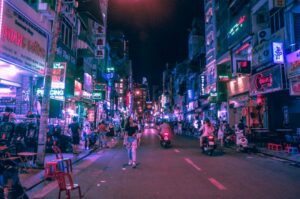
Calle Urquiza is the spine of it all. This long, traffic-hammered street cuts through the city centre and, as the sun goes down, it morphs into one of the best bar crawl routes in South America. No pub crawl wristbands required. No overpriced “gringo menus.” Just a string of bars packed with university students, rosarinos on a Friday wind-down, and the occasional bewildered backpacker who stumbled off the bus from Buenos Aires and never left.
Why Rosario Argentina Nightlife Hits Different
Buenos Aires gets all the glory. But porteños themselves will hop a bus to Rosario specifically to go out. That should tell you everything. The city has a massive student population from the Universidad Nacional de Rosario, which keeps bar tabs local and attitudes relaxed. Nobody’s performing for tourists here because there basically aren’t any, yet.
Drinks are cheap. Like, genuinely cheap. A pint of local Quilmes at most bars on and around Urquiza runs about 2,000 to 3,000 ARS (roughly $2 to $3 USD at the 2026 blue rate). A proper cocktail, like a Fernet con Coca, which is the local religion poured into a glass, will cost you 3,500 to 5,000 ARS (about $3.50 to $5). Compare that to Palermo and you’ll want to cry. Or just stay in Rosario forever.
The other thing: Rosario runs late even by Argentine standards. Bars fill up around midnight. Clubs don’t really get going until 2am. You’re genuinely expected to still be there at 6am. Plan your naps accordingly.
The Urquiza Bar Crawl: Where to Start and Where to End Up
Start at the lower end of Urquiza, around the intersection with Córdoba. This is where the warm-up bars cluster. Bar El Cairo at Santa Fe 1000 is the old-school literary institution everyone mentions and yes, it’s worth a single drink for the atmosphere, the tiled floors, the ceiling fans, the sense that Che Guevara might walk in. But don’t linger. It’s more of a dinner-drink vibe and you’ve got ground to cover.
From there, head toward El Diablito Bar. Low-lit, loud, unpretentious, and properly beloved by locals. You’ll hear it before you see it. This is where the night actually starts. Order a Fernet con Coca or a cold Andes beer and plant yourself for an hour. The crowd here is genuinely mixed: students, thirtysomethings, people who clearly came straight from work and never went home. Nobody’s judging your outfit.
Kika Resto Bar Teatro Disco at Urquiza 1580 is your transition into proper late-night territory. It’s a bar, a restaurant, and a dance floor rolled into one chaotic building, which sounds like a mess but works in practice. By 1am it’s rammed. The music shifts from cumbia to electronic depending on who’s DJing. Bring cash. The card reader dies every weekend like clockwork.
Further up the crawl, Espiria has built a serious reputation in the city. It’s the kind of place that starts as a bar and refuses to let you leave. The cocktail list is actually good, which is a genuine surprise at these prices. Boris and Nomade are both solid options if you want to end the night dancing properly. Boris leans harder toward electronic music and gets going very late. Nomade is a little more relaxed, good for people who want dancing without a full club situation.
The Neighbourhood You Actually Need to Know: Pichincha
Urquiza is the spine but Pichincha is the neighbourhood that wraps around it, and it’s where things get interesting. Historically a red-light district (it’s now fully gentrified, heads up), Pichincha has turned into the most interesting gastrobar zone in the city. The streets around Ricardone and Wheelwright are packed with small bars and restobares that don’t make any top-ten list but are absolutely where locals spend their Thursday and Friday pre-game hours.
Rock and Feller’s on Bulevar Oroño is the other spot that gets genuinely hectic on weekends. It’s big, it’s loud, and the food actually holds up. Go there for the atmosphere rather than the cocktails, which are fine but not the point. The point is that you’ll be surrounded by a few hundred rosarinos having an extremely good time, and that energy is contagious.
Where to Stay Without Destroying Your Budget
You want to be in the city centre, roughly between Urquiza and the Costanera riverfront. Anything within walking distance of the central bus terminal (Terminal Mariano Moreno on Cafferata) keeps you close to the action without needing to spend money on remises every night. Hostel dorm beds in central Rosario run around 8,000 to 14,000 ARS per night (roughly $8 to $14 USD), which is some of the best hostel value in Argentina right now. Check Hostelworld for current availability, especially for weekends in spring and summer when the city fills up with Argentine domestic tourism. Book ahead then. Don’t assume you can walk in.
The official Rosario tourism board website has a neighbourhoods map that’s actually useful for getting your bearings. It’s in Spanish but Google Translate handles it fine. Look at it before you arrive, not at 2am when you’re trying to figure out where you are.
If you’re building a wider Argentina itinerary and this is your first time going deep on the country, our backpacking basics guide covers the logistics that catch people off guard, from the exchange rate situation to overnight bus etiquette.
Rosario Nightlife Logistics: The Stuff That Actually Matters
Remises, not taxis. Rosario has a remis system (private car services) that’s safer and more reliable than flagging a random taxi late at night. Ask your hostel to call one, or use the InDriver app which works well in the city. Fares are cheap: a 15-minute ride will cost you 2,500 to 4,000 ARS.
The bus from Buenos Aires takes about four hours and departs from Retiro. The Flecha Bus or Chevallier services are comfortable, reliable, and run overnight so you can sleep on the way. A semi-cama seat costs around 15,000 to 25,000 ARS (about $15 to $25 USD). Buy the ticket in advance at the terminal or online because the popular overnight departures do sell out.
Safety is real but manageable. Rosario has had a reputation for crime in certain areas, and it’s worth being honest about that rather than glossing over it. Stick to the bar zones around Urquiza, Pichincha, and Bulevar Oroño for your nights out. Don’t flash your phone on quiet side streets at 4am. Keep your bag zipped. Drink water between drinks. The bar crawl on Urquiza itself is busy and well-lit and fine; just use the same common sense you’d use anywhere in a large South American city and you’ll be completely good.
If you want a broader look at planning nights out around events and festivals on the road, the festival survival guide has you covered on the pre-planning side of things. And for more destination ideas across the continent and beyond, check out our destinations hub.
Key Takeaways
Rosario is where Argentines actually go to party, and it’s dramatically cheaper and less touristy than Buenos Aires nightlife.
- Calle Urquiza is the main crawl route: start around the Córdoba intersection and work north, hitting El Diablito Bar early and Kika at Urquiza 1580 after midnight.
- Drinks run 2,000 to 5,000 ARS ($2 to $5 USD) for beers and Fernet con Coca, with no tourist markup at any of the local spots.
- Nothing starts until midnight at the earliest. Clubs like Boris don’t hit their stride until 2am. Sleep first, party later.
- Use remises (call from your hostel or use InDriver) rather than random taxis for late-night travel. They’re cheap and safer.
- Book hostel beds in advance for spring and summer weekends. Argentine domestic tourism fills the city fast and dorm prices are still only $8 to $14 USD a night.
Four hours from Buenos Aires, priced for locals, and almost entirely off the backpacker radar: Rosario is the most underrated party city in Argentina and it’s not particularly close.
FAQs
Is Rosario safe for tourists going out at night?
The main nightlife areas around Urquiza, Pichincha, and Bulevar Oroño are busy, well-lit, and generally fine. The same basic rules apply as anywhere in a large South American city: keep your phone in your pocket on quiet streets, keep your bag zipped, and use a remis rather than walking long distances alone at 4am. Avoid straying into unfamiliar neighbourhoods late at night and you’ll have no problems.
What’s the best time of year to visit Rosario for nightlife?
Spring (October to November) and summer (December to February) are the peak nightlife months, when the university population is in full swing and outdoor bars along the Costanera open up. The weather is warm, the terraces fill up, and the energy is at its best. Winter still has a solid bar scene but it’s quieter and some outdoor venues close.
How do I get from Buenos Aires to Rosario?
The overnight bus from Retiro terminal in Buenos Aires is the standard move. Flecha Bus and Chevallier are the most reliable operators and the journey takes around four hours. A semi-cama seat costs roughly 15,000 to 25,000 ARS ($15 to $25 USD). Buy in advance for weekend departures as they sell out, especially Friday nights.
What is Fernet con Coca and should I drink it?
Fernet con Coca is a mix of Fernet-Branca (a bitter Italian herbal liqueur) and Coca-Cola, and it is the unofficial national drink of Argentina, especially Rosario. Yes, you should drink it. It tastes like a more complex, slightly medicinal rum and coke, and locals will be genuinely delighted that you ordered one. It’s also traditionally believed to prevent hangovers. Whether that’s true is a matter of faith.
Do I need to exchange money before arriving in Rosario?
You’ll want Argentine pesos. The informal exchange rate (often called the blue rate or the “dolar tarjeta” rate depending on how you access it) gives you significantly more pesos per dollar than the official bank rate. Many hostels and some bars will accept USD cash at a good rate. Bring some small USD bills as backup, and check the current rates before you go because Argentina’s exchange situation changes frequently.
Did You Survive Rosario Until Sunrise?
If you did, you’ve earned it. The Urquiza crawl is the real deal: cheap drinks, zero tourist tax, and a city that genuinely wants to party until the sun comes up over the Paraná. Come with cash, a late sleeping schedule, and at least two nights minimum because one is never enough.