

Disclosure: This article contains affiliate links. If you make a purchase through one of these links, National Litographic may earn a commission at no extra cost to you.
Oktoberfest is the biggest outdoor party on the planet and somehow it still catches first-timers completely off guard. You show up expecting a beer festival and you get two weeks of thumping brass bands, one-litre steins, rooftop rides, and a crowd of six million people who all had the same idea. Here is everything you actually need to know before you get on that train to Munich.
The Oktoberfest 2026 Backpacker Guide: Dates, Layout, and What You’re Actually Walking Into
First, the basics. The 191st Oktoberfest runs from Saturday, September 19 to Sunday, October 4, 2026, at the Theresienwiese fairground in the southwest of Munich. That’s 16 days. Three weekends. One legendary hangover. Entry to the festival grounds and every single beer tent is completely free. No ticket, no wristband, nothing. The Theresienwiese, or “Wiesn” as locals call it, is a short walk from the U4/U5 Theresienwiese U-Bahn stop, or U3/U6 to Goetheplatz if the crowds at the main entrance are feral, which on weekends they absolutely will be.
The opening ceremony on September 19 is worth knowing about. At noon exactly, Munich’s Lord Mayor taps the first keg in the Schottenhamel tent. The crowd goes berserk. Everything kicks off from that moment. If you’re there on opening day, get to the Schottenhamel tent by 9am or forget it. The tents fill up insanely fast on the first Saturday and you’ll be standing outside listening to everyone else have the best day of their life.
The busiest days are the three Saturdays: September 19, September 26, and October 3. The sweet spot if you can flex your dates at all? Monday to Wednesday of the second week, around September 28 to 30. The staff have found their groove, the tourist surge has settled, and you can actually walk into a tent without a reservation.
What a Beer Costs and Why Your Wallet Will Feel It
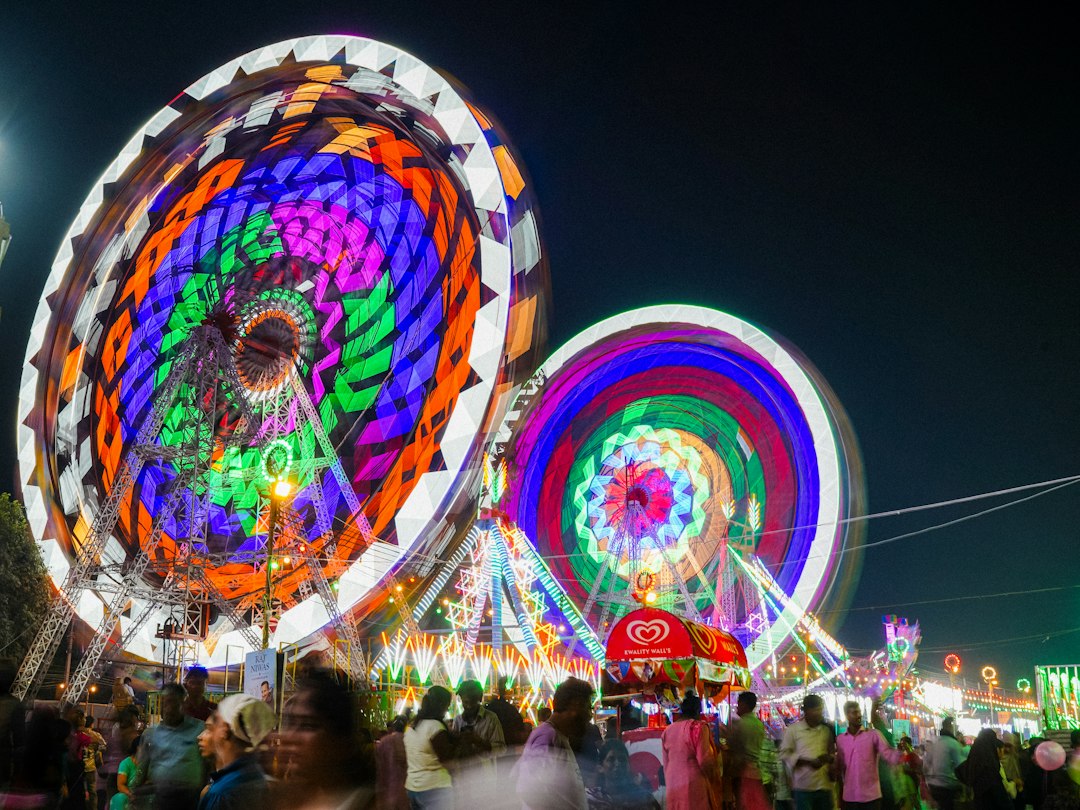
Let’s be upfront. A Maß, which is a one-litre stein and the only size they serve, costs between €14.80 and €15.90 in 2026, depending on which tent you’re in. Call it roughly $16 to $17 USD per beer. That’s before the tip, and tipping €1 to €2 per stein is expected. Your server is carrying eight of these at once through a screaming crowd of thousands. Tip them.
The cheapest pour on the main grounds is the Augustiner-Festhalle at €14.90. Augustiner is also arguably the best beer there, which is a rare and beautiful combination. The Hofbräuhaus-Festzelt runs €15.80. The Weinzelt with its wheat beer hits €18.40 if you fancy something different. And yes, weirdly, non-alcoholic drinks are almost as expensive. Mineral water is around €11 a litre. So don’t show up dehydrated and reach for water as the cheap option. It isn’t. Drink water before you arrive, and carry a small bottle from a supermarket outside the grounds.
Realistically, budget €65 to €90 for a full day at the Wiesn if you’re having two or three beers, a meal, and a ride or two on the fairground. A half-chicken (Hendl) runs around €15 to €18 and is genuinely excellent. Pretzels are €5 to €8. Eat something. Trust me on this one.
Where to Sleep Without Selling a Kidney
This is where Oktoberfest gets brutal for backpackers. Munich hostel dorm beds during the festival run €70 to €150 per night. Yes, per night. Yes, for a dorm. The city knows it can charge this and it does. Book through Hostelworld and book now, or as close to now as you can get. Popular hostels sell out months in advance, especially for weekend nights.
The smarter move is staying slightly outside Munich and taking the S-Bahn in. Towns like Augsburg (30 minutes by train), Landsberg am Lech, or even Salzburg (an 80-minute train ride) have dramatically cheaper accommodation and a perfectly usable rail connection. A lot of backpackers do this. The trains run late enough that it works, though you want to know your last train time before that third Maß.
In Munich itself, the Wombats City Hostel near the main train station (Hauptbahnhof) and the Euro Youth Hotel on Senefelderstrasse in the city centre are two that consistently get solid reviews from backpackers. Both are under a 20-minute walk or a couple of U-Bahn stops from the Wiesn. Book early, read the cancellation policy, and don’t leave it to the last minute unless you enjoy sleeping in train stations.
The Tents: Which One and Why It Matters
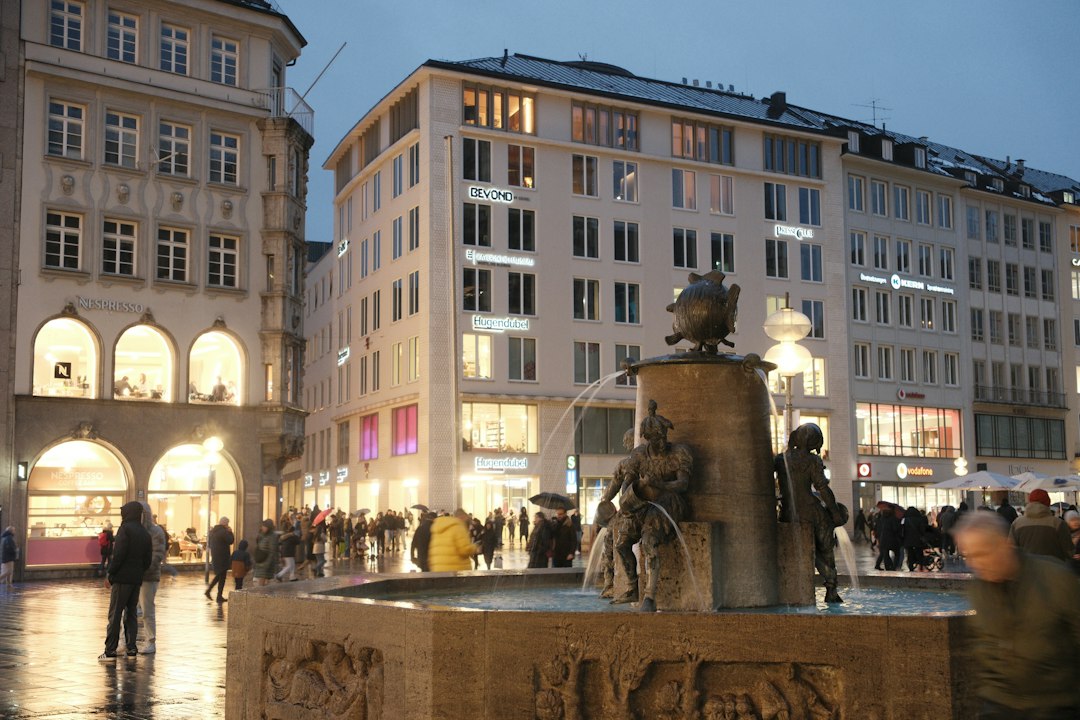
There are fourteen large tents and a bunch of smaller ones. You don’t need to visit all of them. Pick two or three and actually experience them properly.
The Hofbräu-Festzelt is the one tourists get funneled into because it’s the most famous name. It’s enormous, loud, and a bit chaotic. Fun for an hour. The Augustiner-Festhalle is the one locals quietly prefer. Less Instagram-famous, better beer, slightly more relaxed crowd. Hippodrom is the one near the main entrance that gets a younger party crowd, good energy early in the week. The Hacker-Festzelt has a painted sky ceiling that genuinely makes you feel like you’re outside. It’s a good one.
Getting a table without a reservation on a weekend is essentially impossible in the big tents. Seriously. On weekdays before 11am you can usually find standing room and then grab a table when someone leaves. But if you show up at 3pm on a Saturday expecting to walk in and sit down, you’re going to be standing in the rain outside eating a pretzel and rethinking your life choices. Reservations can be done through the official Oktoberfest booking portal, but they sell out fast, often months before the festival.
One more thing. The Oide Wiesn is a separate, ticketed section (around €4 entry) within the festival grounds with traditional rides, folk music, and a more old-school Bavarian atmosphere. It’s genuinely worth one visit, especially on a busy Saturday when the main grounds feel like a rugby scrum.
Gear, Outfit, and the Stuff That Actually Matters
Do you need a dirndl or lederhosen? No. But honestly, wearing one makes the whole experience about 40% more fun. You get pulled into the spirit of it. Locals respect it. Other people in costume want to talk to you. You can rent both in Munich for around €30 to €60, which is way cheaper than buying. There are rental shops near the Hauptbahnhof. Avoid the really cheap disposable ones that disintegrate by lunchtime.
What you actually need in your bag: a rain jacket (September in Munich can go either way), comfortable closed-toe shoes (the tent floors get slippery), your ID or passport (there are occasional checks), and cash. Some tents accept cards now but don’t count on it. Carry enough cash for a round at minimum. Watch your bag in crowds, especially on the fairground. Keep your phone in a front pocket. Pickpockets exist and they know exactly when you’re distracted by a brass band and a second litre of Märzen.
The Oktoberfest Märzen beer is brewed specifically for this festival and comes in around 5.8% to 6.4% ABV. It’s stronger than a lot of everyday lagers, smoother than you expect, and goes down dangerously easily. Pace yourself. Eat food. Drink actual water. Your future self will be grateful.
For more on packing and prepping smart before a big trip, check out our backpacking basics guide. And if festival logistics are your thing and you want the full multi-day survival framework, our festival survival guide covers a lot of the same chaos, different soundtrack.
Key Takeaways
Oktoberfest 2026 is 16 days of free-entry madness from September 19 to October 4, and going in prepared is the difference between the best trip of your life and an expensive disaster.
- Entry to the festival grounds and all beer tents is free. What costs money is beer (€14.80 to €15.90 per litre Maß), food, and accommodation.
- Book your hostel or accommodation as early as possible. Dorm beds in Munich hit €70 to €150 per night during the festival. Staying in Augsburg or Salzburg and commuting in is a legit budget option.
- Weekday mornings in the second week (around September 28 to 30) are the best time to visit if you want to actually get a seat without a reservation.
- The Augustiner-Festhalle tent has the cheapest beer on the main grounds at €14.90 per Maß and is quietly considered the best pour at the festival.
- Bring cash, carry a rain jacket, wear comfortable shoes, keep your phone in a front pocket, and eat food before and during your drinking. Pace is everything.
Get the logistics sorted before you go and Oktoberfest delivers everything it promises. Skip the prep and you’ll spend €200 you didn’t plan to spend and remember very little of why.
FAQs
Do I need to buy a ticket to get into Oktoberfest 2026?
No. Entry to the festival grounds and all beer tents is completely free. You pay only for what you eat, drink, or ride once you’re inside. There’s no general admission ticket or wristband of any kind.
When is the best time to visit Oktoberfest 2026 as a backpacker?
Weekdays in the second week, specifically Monday September 28 to Wednesday September 30, are widely considered the sweet spot. The tents are full of energy but not impossibly packed, staff have hit their stride, and you have a realistic chance of getting a table without a pre-booked reservation. Avoid the three Saturdays if you’re going without a reservation.
How much should I budget per day at Oktoberfest?
Plan for €65 to €90 for a solid full day: two or three Maß of beer at around €15 each plus tip, a meal of half-chicken or bratwurst, and a fairground ride or two. The real budget-killer is accommodation, not the festival itself.
What should I wear to Oktoberfest? Is traditional dress required?
Traditional dress (dirndl for women, lederhosen for men) is not required, but it adds a lot to the experience and locals genuinely appreciate it. You can rent outfits near Munich Hauptbahnhof for around €30 to €60. Wear comfortable shoes regardless, because the tent floors get slippery and you’ll be on your feet for hours.
Which beer tent is best for backpackers and first-timers?
The Augustiner-Festhalle is the local favourite and has the cheapest beer on the main grounds (€14.90 per Maß). For a lively, younger crowd with easier entry mid-week, the Hippodrom is a solid pick near the festival entrance. Avoid setting your whole trip on getting into the Hofbräu-Festzelt, it’s the most famous but not the most enjoyable, and the queues on weekends are punishing.
Did You Survive Oktoberfest?
If you take one thing away from all of this, let it be that the festival itself is free and the chaos is entirely manageable if you plan ahead. Book your bed early, go mid-week if you can, eat the Hendl, tip your server, and know that a one-litre Märzen at 6% hits differently than the pint you’re used to. Go in with realistic expectations, a bit of cash, and the willingness to talk to strangers in silly hats, and you’re going to have an absolute blast.


