

Phnom Penh is one of Southeast Asia’s most electric cities, cheap, fast, and completely unfiltered. It’s also a place where a single bad decision or a moment of distraction can flip your trip into a nightmare involving a stolen passport, a police shakedown, or worse. Here is the honest safety breakdown that the glossy guidebooks quietly skip over.
Is Phnom Penh safe for backpackers? Short answer: yes, with a big asterisk. The city is genuinely doable on a budget and millions of travellers move through it every year without incident. But it rewards awareness and punishes the distracted. So let’s get specific about what you actually need to know before you land.
Is Phnom Penh Safe for Backpackers in 2026? The Real Picture
Phnom Penh sits at a Level 2 “Exercise Increased Caution” rating from the U.S. State Department, due to street crime. That’s the same level as a lot of cities you’ve already been to without thinking twice. The bigger headline in 2026 is the Cambodia-Thailand border conflict, which is a whole different beast. The good news? the official U.S. State Department advisory is very clear that the danger is at the border, not in Phnom Penh. The capital is open and running normally. Stay out of border provinces like Battambang and anywhere within 50 km of Thailand, and this is not your problem.
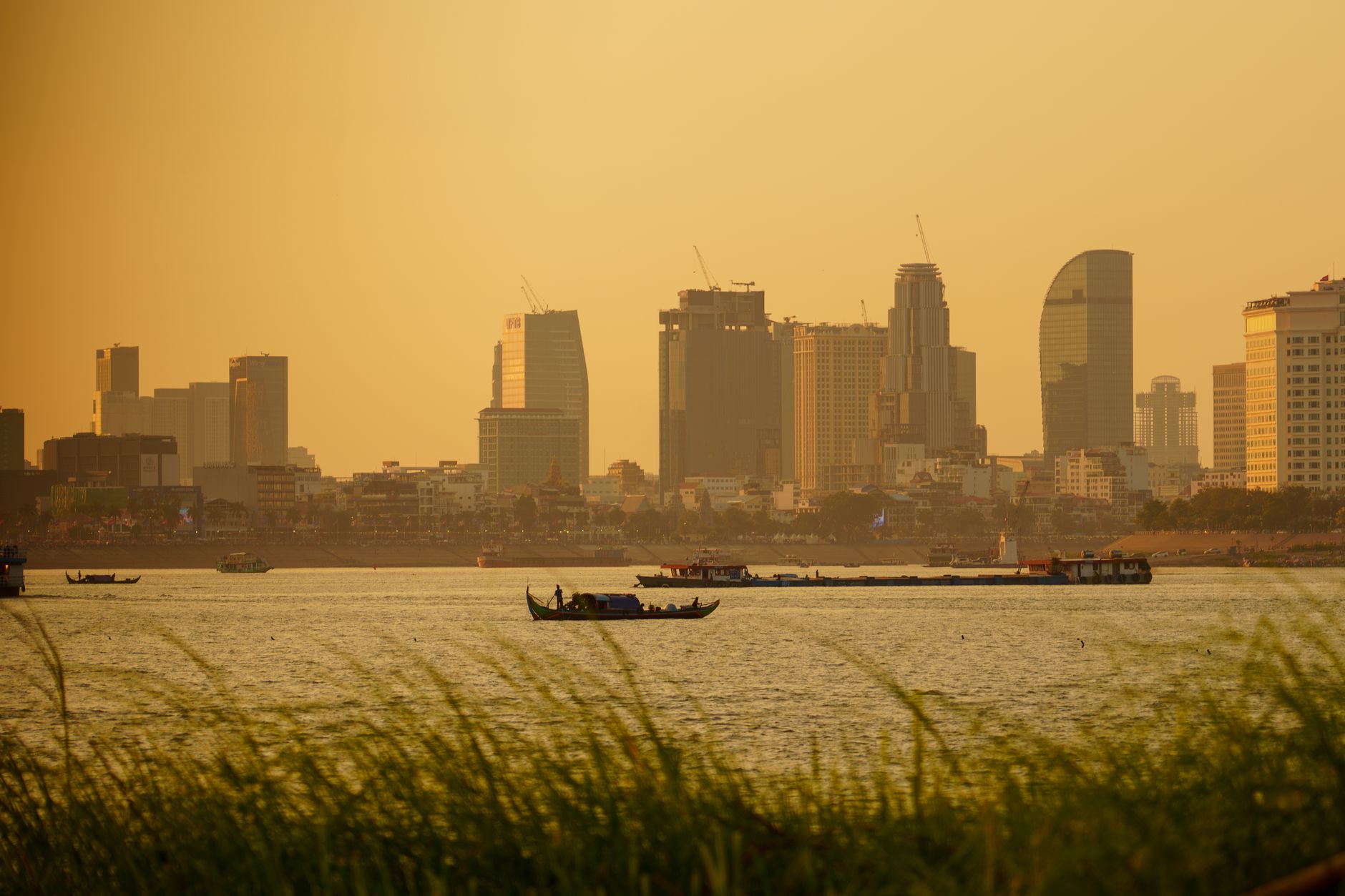
The day-to-day risk in Phnom Penh itself is almost entirely petty crime. Bag snatching from motorbikes is the number one thing that actually happens to tourists here. Someone on a scooter rides alongside you, grabs your phone or bag, and they’re gone in two seconds. The riverside, Street 178, and the BKK1 (Boeung Keng Kang) neighbourhood are the hotspots for this. It’s not random violence. It’s opportunistic. And it is almost entirely avoidable.
The Scams That Actually Get Backpackers
Tuk-tuk drivers run the oldest playbook in the book. Your guesthouse is suddenly “closed” or “full” or has “moved” and the driver knows a great alternative. Spoiler: he earns a fat commission from that alternative. The solution is simple: book ahead, screenshot your confirmation, and don’t change plans based on a stranger’s advice on the street.
The gem scam is more elaborate and more expensive. A well-dressed local, sometimes posing as a teacher or government worker, tells you about a gem export deal where you can buy at wholesale prices and flip them at home for profit. The gems are fake. The whole thing is a set-up. If someone approaches you on the street with a business opportunity that sounds this good, just walk away. Don’t be polite about it.
The fake police scam is the one that stings the most emotionally. Someone flashes a badge, demands to see your passport, finds a “problem,” and suggests you pay a fine on the spot to sort it out. Real Cambodian police don’t do this. If someone approaches you this way, calmly say your passport is at the hotel and offer to go to the nearest police station together. They will vanish. Never hand your actual passport to anyone on the street.
Then there’s the invite-to-a-private-home scam, which is more dangerous than it sounds. Criminal rings in Phnom Penh use apparently friendly locals to invite travellers home, where they end up playing card games and losing serious money, sometimes at gunpoint. If you’ve only known someone for twenty minutes and they’re inviting you somewhere private, trust your gut and decline.
Getting Around Without Getting Ripped Off
Use Grab or PassApp for every single ride. Both apps give you upfront pricing and a digital record of your driver. That’s your protection against overcharging, and it removes the commission incentive that turns tuk-tuk drivers into unofficial tour guides for shops you don’t want to visit. A typical Grab ride across BKK1 to the riverside costs around 4,000-6,000 riel (roughly $1-$1.50 USD). Airport to the city centre in a Grab is about $8-12 USD depending on the new Techo International Airport (TIA), which is around 30 km out and handles most international flights in 2026, versus the older PNH airport at 10 km. Double-check which airport your flight uses. Getting that wrong is an expensive surprise.
Don’t flag down random motos late at night. It’s cheap, yes, but there’s no accountability if something goes wrong. And please, don’t rent a motorbike to get around the city unless you have genuine experience riding in chaotic Asian traffic. Phnom Penh’s roads are genuinely anarchic, and accidents are common.
Neighbourhoods, Night Safety, and Where Not to Be Dumb
BKK1 and Daun Penh (the riverside area) are the tourist zones and the safest areas to base yourself. They’re well-lit, busy, and have plenty of other travellers around. The area around Street 278 in BKK1 has good mid-range and budget guesthouses and the kind of foot traffic that keeps opportunistic theft down.
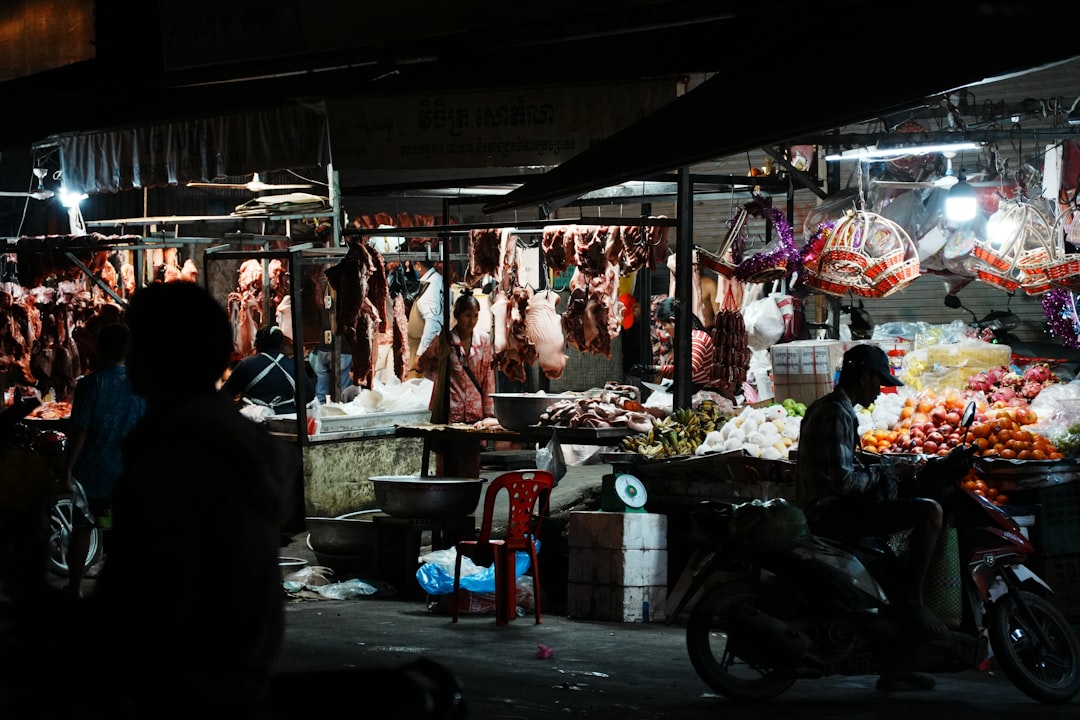
After 11pm, the side streets off the riverside, like Street 136, get sketchier. Stick to the main strip. Avoid unlit alleys behind Central Market (Psar Thmei) at night entirely. The area around Stung Meanchey is not set up for tourists and has no reason to be on your itinerary. Night markets are fine but keep your bag in front of you or use a crossbody strap. A phone dangling from your hand on the riverside is basically an invitation.
Drink spiking is documented in Phnom Penh, particularly around the Street 51 bar strip and the riverside. Never leave your drink unattended. If something tastes off, bin it and order another. This one isn’t paranoia, it’s just bar common sense. Drink water, eat something, know when you’ve had enough. Your instincts get worse as the night goes on, and Phnom Penh can move fast.
One more thing: watch what you say publicly. Cambodia’s criminal code covers defamation and insulting the king. It has been enforced. Keep political opinions offline and to yourself while you’re here.
Medical, Money, and the Boring Stuff That Matters
Public hospitals in Cambodia are not where you want to end up in an emergency. Get travel insurance that covers medical evacuation, full stop. Private clinics in Phnom Penh like Royal Phnom Penh Hospital or Raffles Medical can handle most tourist health issues, but even they will ask for cash or proof of insurance upfront. ATMs in Phnom Penh dispense US dollars, which the whole economy runs on alongside Cambodian riel. Keep some small dollar bills and riel coins for markets and street food.
Don’t drink the tap water. A filtered water bottle sorts this out permanently and stops you burning cash on plastic bottles every day. If you want to bone up on the broader logistics of travelling smart before your trip, our backpacking basics guide has you covered. And if you’re planning to hit any festivals while you’re in the region, the festival survival guide is worth a read before you go. For more destinations across Southeast Asia and beyond, browse the full destinations hub.
Emergency numbers: dial 119 for medical, 117 for police. Save them in your phone now, before you need them.
Key Takeaways
Phnom Penh is safe for backpackers who stay aware, use common sense, and understand the specific risks on the ground in 2026.
- Carry bags crossbody and keep your phone in your pocket on the riverside and in any market area to avoid drive-by snatching.
- Use Grab or PassApp for every ride. Never change your accommodation or plans based on a tuk-tuk driver’s recommendation.
- The Cambodia-Thailand border conflict does not affect Phnom Penh. Avoid all travel within 50 km of the Thai border and the rest of the country is operating normally.
- Never hand your passport to anyone on the street. Real police don’t demand on-the-spot fines.
- Get proper travel insurance that includes medical evacuation. Cash or proof of insurance is required upfront at private clinics.
The risks here are real but manageable. A bit of attention goes a long way, and most people who get into trouble in Phnom Penh ignored a warning sign they saw coming.
FAQs
Is Phnom Penh safe for solo female travellers?
Generally yes, with the usual precautions. BKK1 and the main riverside strip are fine day and night. Avoid walking alone in unlit areas after midnight, don’t leave drinks unattended at bars, and trust your gut if a situation feels off. Many solo female travellers move through Phnom Penh without any issues at all.
Is it safe to walk around Phnom Penh at night?
On the main streets in Daun Penh and BKK1, yes. Stick to lit areas with foot traffic and you’re fine. Avoid unlit side streets and alleys, especially behind Central Market and along the quieter riverside streets after 11pm. Keep your phone in your pocket and your bag in front of you.
Does the Cambodia-Thailand border conflict affect Phnom Penh?
No. Phnom Penh is operating completely normally. The conflict is concentrated in border provinces. Major governments including the US, UK, Canada, and Australia advise avoiding travel within 50 km of the Thailand border, but have not issued warnings against visiting Phnom Penh, Siem Reap, Kampot, or other tourist hubs.
What should I do if I get robbed in Phnom Penh?
Don’t physically resist a bag or phone snatch, ever. The risk of injury from resistance is real. File a police report at the nearest station afterwards, call 117 for police assistance, and contact your embassy if your passport was taken. Keep digital copies of all important documents in email or cloud storage before you travel.
Is it safe to use ATMs in Phnom Penh?
Yes. ATMs in Phnom Penh are widely available, dispense US dollars, and are generally safe during daylight hours in tourist areas. Use ATMs inside bank branches or hotel lobbies where possible, especially at night. Check your card for skimming devices by giving the reader a firm wiggle before you insert your card.
Did You Survive Phnom Penh In One Piece?
Look, Phnom Penh isn’t going to eat you alive if you pay basic attention. The risks are specific, mostly bag snatching, dodgy scams, and the odd fake cop, and all of them are avoidable with the knowledge you’ve just read. Go, enjoy it, eat the street food, ride a Grab, keep your phone in your pocket on the riverfront, and check the U.S. State Department advisory before you book if you want the latest official picture. More good stuff to read is waiting over on all articles.


